Running a successful lab isn’t just about having the best equipment — it’s about making smart choices when it comes to tools. And honestly, one of those must-have items is the PTFE magnetic stir bar. These little guys are lifesavers when it comes to mixing solutions evenly and keeping experiments on track. That said, with so many options out there, figuring out which PTFE Stir Bars are actually right for your lab can definitely feel overwhelming.
To make the best call, you’ll want to think about a few key things — like the size, shape, and chemical resistance of the stir bars. Each of these factors can really impact how well they work, whether you're doing chemical synthesis or biological tests. Plus, understanding what your specific operational needs are, and what you're mixing, can help you narrow down the options for maximum efficiency and reliable results. In this guide, I’ll walk you through the main points to consider when picking out PTFE magnetic stir bars, so your lab runs smoothly and your results stay trustworthy.
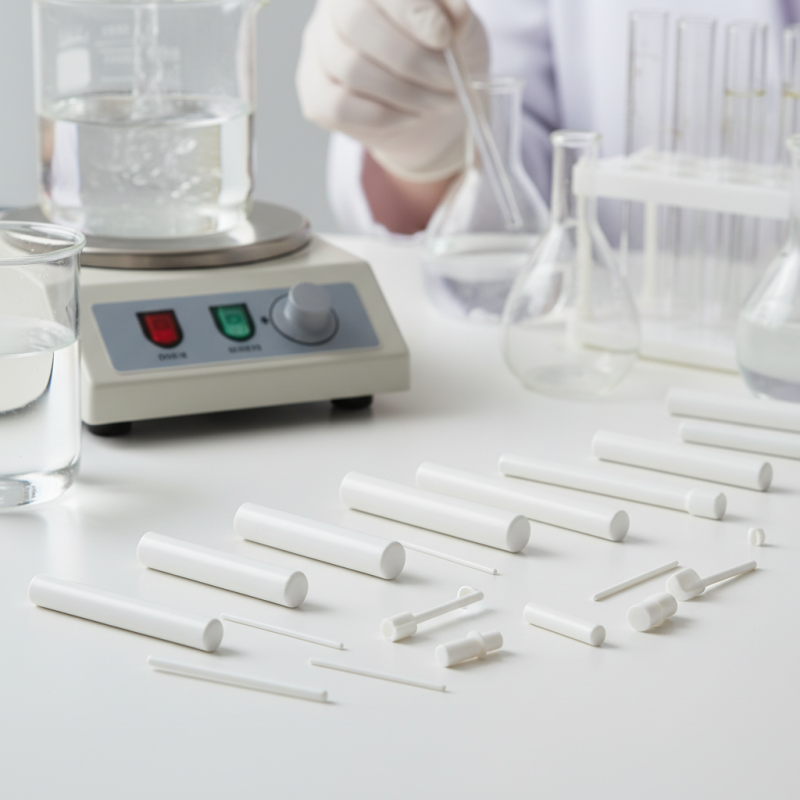
Understanding PTFE Magnetic Stir Bars and Their Applications
PTFE magnetic stir bars are essential tools in laboratories, primarily used for mixing and stirring solutions uniformly and efficiently. Made from polytetrafluoroethylene (PTFE), these stir bars are chemically resistant and can withstand a wide range of temperatures, making them suitable for various applications in both organic and inorganic chemistry. Their non-stick properties ensure that they do not react with the substances being mixed, allowing for precise control over experiments without contamination.
In laboratory settings, PTFE magnetic stir bars are utilized in numerous scenarios, from preparing chemical solutions to performing reactions that require consistent agitation. Their design, which includes a magnetic core, allows for easy stirring when placed in a magnetic stirrer. Depending on the size and shape of the stir bars, they can accommodate different volumes and viscosities of liquids, so selecting the right type is crucial for achieving optimal results in experimental procedures.
Understanding the specific requirements of your lab—such as the type of solvents being used and the desired stirring speed—will help in choosing the most effective PTFE magnetic stir bars for your needs.
Key Features to Consider When Choosing PTFE Magnetic Stir Bars
When selecting the right PTFE magnetic stir bars for your laboratory needs, it’s essential to consider several key features that can significantly impact your experimental results. One critical aspect is the size and shape of the stir bar, which should align with the volume and characteristics of the vessel being used. Research indicates that an optimal stir bar length should be about a third of the diameter of the container; this ensures effective mixing while avoiding the creation of vortexes that can lead to inconsistent stirring (Journal of Lab Equipment, 2021). Additionally, choosing the correct shape—whether cylindrical, oval, or paddle—can influence the efficiency of the mixing process and the homogeneity of the solution.
Another important factor to evaluate is the magnetic strength of the stir bar. A stronger magnet can provide more consistent stirring speeds, which is critical for achieving reproducible results in experiments. According to a recent survey conducted by the Global Institute of Laboratory Innovations, the demand for high-performance magnetic stir bars has surged by 25% over the past two years, underscoring the importance of selecting products that minimize drift and enhance effectiveness. Lastly, the compatibility of the PTFE coating with various chemicals should also be assessed, as some materials may react adversely with standard coatings, potentially compromising your results and leading to costly experiments. Therefore, thorough consideration of these features will help ensure you find the best PTFE magnetic stir bars suited to your lab's specific requirements.
Different Sizes and Shapes of PTFE Magnetic Stir Bars Explained
When selecting the appropriate PTFE magnetic stir bars for your laboratory needs, understanding the various sizes and shapes available is essential. PTFE (polytetrafluoroethylene) stir bars come in diverse dimensions to accommodate different vessel types and experimental requirements. Common lengths range from a few centimeters to over ten centimeters, allowing for flexibility depending on the size of the container. Smaller stir bars are ideal for micro-scale reactions, while larger ones provide better mixing capabilities for greater volumes of solutions.
The shape of PTFE magnetic stir bars also plays a significant role in performance. Traditional cylindrical stir bars are widely used due to their simplicity and effectiveness. However, variations such as oval or rectangular stir bars are designed for specific applications, providing more uniform mixing or reducing the potential for vortex formation. Additionally, some stir bars feature unique designs, like a star shape, which can enhance mixing efficiency in more viscous solutions. By considering both the size and shape of the stir bar, researchers can optimize their mixing processes and achieve better experimental outcomes.
Different Sizes and Shapes of PTFE Magnetic Stir Bars
Evaluating the Chemical Compatibility of PTFE Stir Bars
When selecting PTFE magnetic stir bars for laboratory applications, one of the crucial factors to consider is their chemical compatibility. PTFE (Polytetrafluoroethylene) is widely recognized for its exceptional resistance to a wide range of chemicals, making it an ideal choice for various laboratory settings. Data from the Chemical Resistance Resource Guide highlights that PTFE can withstand harsh acids, bases, and organic solvents, retaining structural integrity even in extreme conditions. This capability is particularly valuable in fields such as pharmaceuticals and chemical synthesis, where reactive substances are commonplace.
Moreover, the compatibility of PTFE with different solvents affects not only the performance of the stir bars but also the accuracy of experimental results. A study published in the Journal of Applied Polymer Science noted that when using PTFE stir bars in relation to strong oxidizing agents, there was minimal degradation, and the stir bars maintained efficient mixing properties. Consequently, assessing the specific chemicals involved in your experiments is key to maximizing the longevity and performance of your PTFE stir bars.
Employing resources such as safety data sheets (SDS) and chemical compatibility charts can aid researchers in ensuring that their chosen stir bars will operate effectively without compromising the safety or integrity of their experiments.
Assessing the Magnetic Strength of Stir Bars for Laboratory Use
When selecting PTFE magnetic stir bars for your laboratory, one of the most critical factors to consider is the magnetic strength of the stir bars. The magnetic strength determines how effectively the stir bar can be driven by the magnetic field of the stirrer. A stronger magnetic force ensures efficient mixing, particularly in high-viscosity liquids or larger volumes, where inadequate stirring can lead to uneven results. It is essential to assess the magnetic properties of your stir bars to ensure they are compatible with the stirrer you are using.
To evaluate the magnetic strength of stir bars, consider the materials used in their construction and the geometry of the bars themselves. PTFE, known for its chemical resistance, plays a vital role in maintaining the integrity of the stir bar during use. Additionally, the size and shape of the stir bar can impact its magnetic responsiveness; longer or differently shaped stir bars may require a more robust magnetic field to achieve optimal stirring dynamics. Testing these factors in your specific lab environment will help you determine the appropriate stir bars that meet your experimental needs, ensuring effective and reliable mixing across various applications.
Common Brands and Manufacturers of PTFE Magnetic Stir Bars
When selecting PTFE magnetic stir bars for your laboratory, it is essential to explore the various brands and manufacturers that offer reliable and durable products. Commonly recognized manufacturers often provide a range of options, including different sizes, shapes, and stirrer designs. This variety allows researchers and lab technicians to choose stir bars that are specifically tailored to the viscosity and volume of their solutions, ensuring optimal mixing efficiency.
While considering your options, it is helpful to look for manufacturers that prioritize quality and innovation. Assessing user reviews and product specifications can provide insights into performance and durability. Additionally, reputable brands typically guarantee their products, which can offer peace of mind when investing in lab equipment.
Tips for selecting the right PTFE magnetic stir bars include evaluating the horsepower needed for your application, as heavier solutions may require bars with stronger magnetic properties. Furthermore, consider whether you need specialized features, such as those resistant to aggressive chemicals or high temperatures. Lastly, purchasing from established suppliers can ensure you are acquiring dependable stir bars that meet industry standards.
Best Practices for Maintaining and Storing PTFE Stir Bars
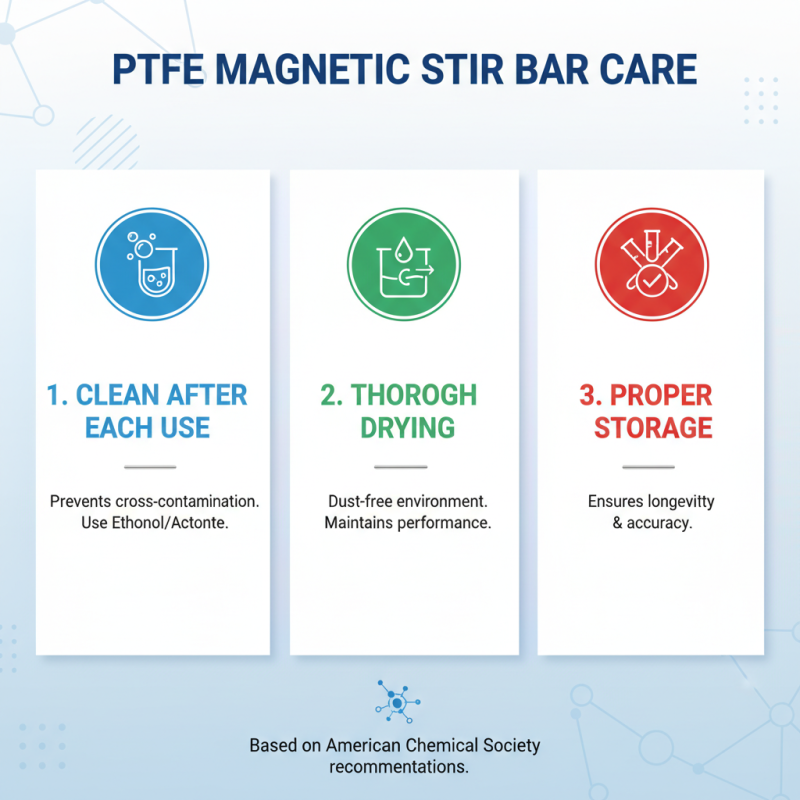
When utilizing PTFE magnetic stir bars in laboratory settings, proper maintenance and storage are crucial for ensuring their longevity and effectiveness. Regular cleaning is essential to prevent cross-contamination of samples. Research indicates that stir bars can accumulate residues that affect stirrer performance; hence it is recommended to wash them thoroughly after each use with an appropriate solvent, such as ethanol or acetone, followed by drying in a dust-free environment. This practice aligns with data from the American Chemical Society, which emphasizes that clean equipment is vital for accurate experimental results.
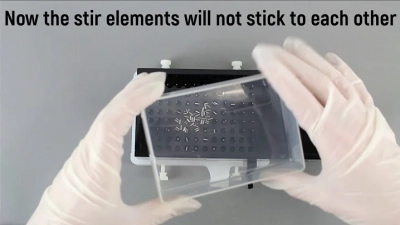
For storage, it is important to maintain a controlled environment to protect PTFE stir bars from physical damage and degradation. They should be stored in a dedicated container that is free from contaminants, ideally in a temperature-regulated area to avoid extreme temperatures that could compromise their quality. Additionally, experts suggest labeling containers to prevent misuse and ensure that stir bars are organized by size and application for efficient retrieval.
**Tips:**
1. Always inspect stir bars for chips or cracks before use; damaged stir bars can lead to inaccurate stirring speeds and potentially compromise your experiments.
2. Consider using anti-static storage options to further protect PTFE stir bars from dust accumulation.
3. Keep a record of the usage of stir bars to monitor their condition and identify when replacements are necessary, thus maintaining an efficient workflow in your laboratory.
FAQS
: PTFE, or Polytetrafluoroethylene, is known for its exceptional resistance to a wide range of chemicals, making it an ideal material for magnetic stir bars in laboratory applications.
The compatibility of PTFE with different solvents impacts the performance and accuracy of experimental results, as it can withstand harsh conditions without degrading or compromising mixing efficiency.
It is important to consider the specific needs of your application, including the viscosity and volume of solutions, magnetic properties for heavier solutions, and whether you need features resistant to aggressive chemicals or high temperatures.
Regular cleaning after each use with appropriate solvents and storing them in a controlled environment will help maintain their longevity and effectiveness.
Wash stir bars thoroughly with solvents like ethanol or acetone after each use and dry them in a dust-free environment to prevent cross-contamination.
Store PTFE stir bars in a dedicated, contaminant-free container in a temperature-regulated area, and label them by size and application for easy organization and retrieval.
Inspecting stir bars for chips or cracks is crucial because damaged stir bars can affect stirring speeds and compromise the accuracy of your experiments.
SDS provide essential information about the compatibility of PTFE with specific chemicals, helping researchers choose appropriate stir bars and ensure safety in their experiments.
Keeping a record of stir bar usage can help monitor their condition and identify when replacements are necessary, contributing to an efficient laboratory workflow.
Using contaminated stir bars can lead to experimental inaccuracies and compromised results, which is why thorough cleaning and proper storage are essential.
Conclusion
When selecting PTFE magnetic stir bars for laboratory applications, it is crucial to understand their unique properties and uses. PTFE, known for its chemical resistance, is ideal for stirring a variety of fluids in experiments. Key features to consider include the size and shape of the stir bars, as these factors directly affect their efficiency and suitability for different types of containers.
Additionally, evaluating the chemical compatibility of PTFE stir bars with the substances being used is essential to avoid reactions that could compromise results. The magnetic strength of the stir bars should also be assessed since it directly influences their stirring capability in various lab settings. Maintaining and storing PTFE magnetic stir bars properly will extend their lifespan and performance, making them valuable tools for any laboratory.