Leave Your Message
0%

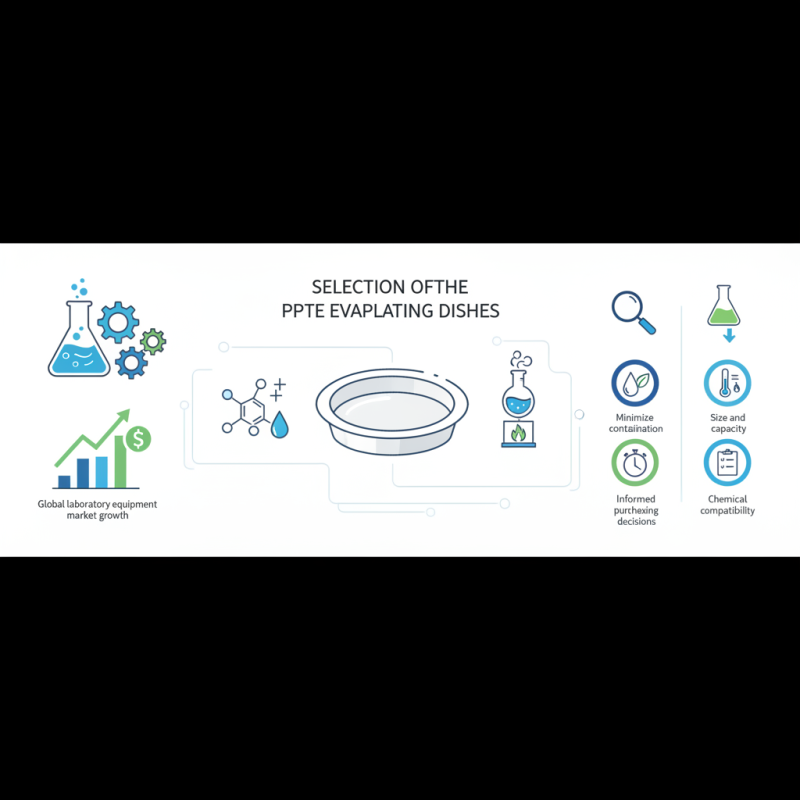
When it comes to lab equipment, picking the right tools is super important to get accurate results and keep things running smoothly. One piece of gear that a lot of labs swear by is the Ptfe Evaporating Dish. It’s got some pretty cool properties that make it really useful. I came across a report from Research and Markets that says the global lab equipment market is expected to hit around $50 billion by 2025, thanks to advances in chemical research and more lab work overall. Because of all that, the demand for specialized glassware—like these PTFE dishes—keeps climbing.

People love PTFE evaporating dishes because they’re resistant to chemicals and have non-stick surfaces, which is perfect for things like evaporating solvents or prepping samples in analytical chemistry. A 2022 study by Technavio mentioned that the growing popularity of PTFE materials in labs has really boosted their use. As labs try to work more efficiently and avoid contamination, it becomes pretty important to understand what these dishes can do and what features to look for. That’s exactly what this article is here to help with—guiding folks in choosing the best PTFE evaporating dish for their specific needs and workloads.
2025 How to Choose the Best PTFE Evaporating Dish for Your Laboratory Needs

Understanding PTFE Evaporating Dishes and Their Applications

PTFE evaporating dishes are essential tools in laboratory settings, particularly in chemistry and material science, where precision and durability are paramount. Made from polytetrafluoroethylene (PTFE), these dishes are known for their excellent chemical resistance and non-stick properties, making them ideal for evaporating solvents and conducting experiments involving reactive substances. Their ability to withstand high temperatures and corrosive agents allows researchers to perform a wide range of applications without the risk of contamination or material degradation.

In addition to their robust physical characteristics, PTFE evaporating dishes are valued for their efficiency in various laboratory procedures. They facilitate the quick and even distribution of heat, which is crucial during the evaporation of solutions and the concentration of samples. Furthermore, their smooth surface reduces the likelihood of residue buildup, ensuring that subsequent experiments are not compromised by leftover materials. As a result, choosing the right PTFE evaporating dish can significantly enhance both the accuracy and reliability of laboratory results, ultimately contributing to successful project outcomes.

Key Features to Consider When Selecting PTFE Evaporating Dishes

2025 How to Choose the Best PTFE Evaporating Dish for Your Laboratory Needs

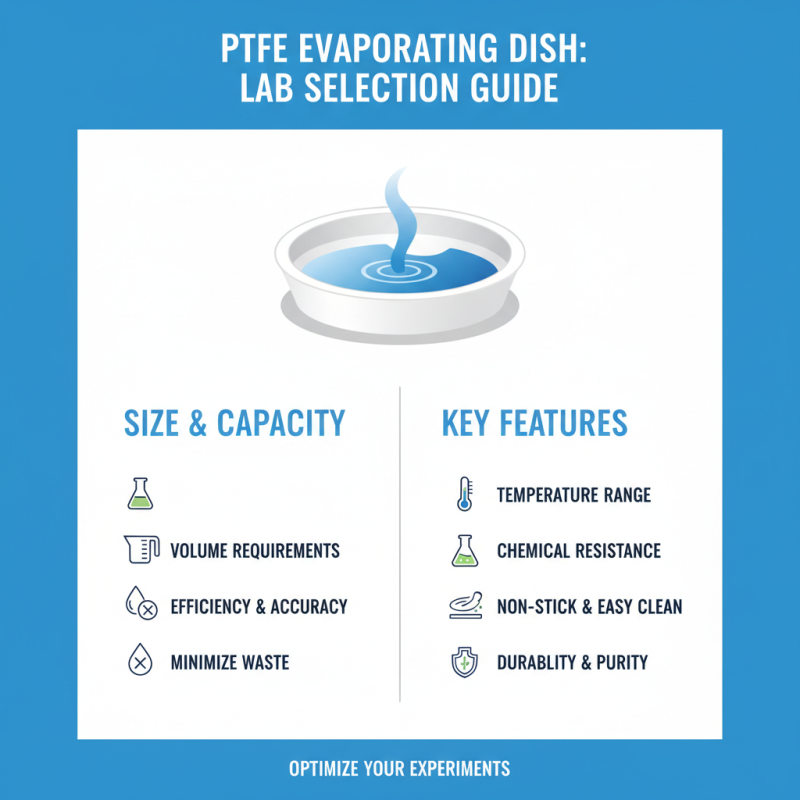
When selecting the best PTFE evaporating dish for your laboratory needs, it is essential to consider several key features that ensure optimal performance and compatibility with your experiments. One of the primary aspects to evaluate is the size and capacity of the dish. Depending on your specific applications, you may require different volumes; choosing the right size not only enhances efficiency but also minimizes waste and ensures accurate measurements.

Another significant factor to consider is the temperature resistance of the PTFE material. High-quality PTFE evaporating dishes can withstand extreme temperatures without degrading, which is crucial for processes that involve heating. Additionally, look for dishes that have smooth surfaces. A non-stick finish will facilitate easy cleaning and minimize product loss during transfers and operations.

Tips: Always check for compatibility with the chemicals you'll be using, as certain reactive substances may affect the integrity of the PTFE. Ensure that the dish you're selecting is designed for the specific temperatures and chemical surroundings of your experiments. Opt for dishes with ergonomic designs to make handling and pouring easier, thereby enhancing your overall laboratory experience.

Comparing Different Sizes and Shapes of PTFE Evaporating Dishes

2025 How to Choose the Best PTFE Evaporating Dish for Your Laboratory Needs

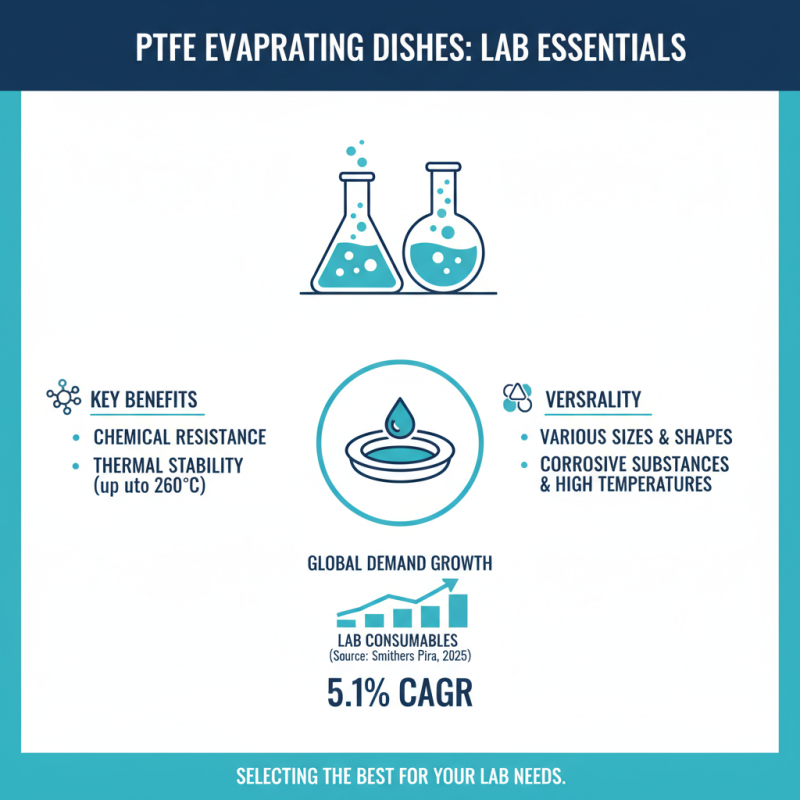
When selecting the best PTFE evaporating dish for laboratory use, it's crucial to consider the various sizes and shapes available to meet specific experimental needs. PTFE, or polytetrafluoroethylene, is renowned for its chemical resistance and thermal stability, making it ideal for applications involving corrosive substances and high-temperature processes. According to a market research report from Smithers Pira, the global demand for Laboratory Consumables, including PTFE products, is projected to grow at a compound annual growth rate (CAGR) of 5.1% by 2025, highlighting the increasing reliance on such materials in various laboratory settings.

Opting for the appropriate size and shape of PTFE evaporating dishes can significantly affect the efficiency of evaporation processes. Typically, these dishes are available in various diameters ranging from 50mm to 200mm, catering to different volumes of liquid. A larger diameter dish allows for a higher evaporation rate due to increased surface area. Furthermore, the choice between shallow and deep designs can influence the evaporation dynamics. Shallow dishes help facilitate faster evaporation for volatile solvents, while deeper dishes may be preferable for applications requiring longer reaction times with less solvent volatility. Research published in the “Journal of Laboratory Process Optimization” indicates that optimizing dish dimensions can enhance evaporation efficiency by up to 25%, underscoring the importance of size and shape in laboratory applications.

Evaluating Temperature Tolerance and Chemical Resistance

When selecting the best PTFE evaporating dish for laboratory applications, evaluating temperature tolerance and chemical resistance is crucial. PTFE, or polytetrafluoroethylene, is known for its outstanding thermal stability, allowing it to withstand a wide range of temperatures without degrading. This characteristic is essential for laboratories that require precise control over their reactions or processes, especially when dealing with substances that may require high-temperature conditions. A suitable PTFE evaporating dish should maintain its integrity and performance, ensuring consistent results regardless of the temperatures employed.

Chemical resistance is another vital factor to consider when choosing a PTFE evaporating dish. The material's inherent properties make it exceptionally resistant to many corrosive chemicals, including acids, bases, and solvents. This chemical compatibility allows researchers to utilize PTFE dishes in various applications without worrying about material degradation or contamination of samples. It's important to assess the specific chemicals involved in your work and confirm that the PTFE evaporating dish can handle them effectively. Ultimately, a thorough understanding of these characteristics will lead to better decision-making for optimal laboratory efficiency and safety.

Assessing Cost and Budget Considerations for Laboratory Supplies

When selecting the best PTFE evaporating dish for your laboratory, cost and budget considerations play a crucial role in the decision-making process. High-quality laboratory supplies can significantly impact research outcomes, but it's essential to balance performance with affordability. Start by evaluating your specific needs, such as the types of experiments or applications the evaporating dish will serve. Research the average prices of PTFE dishes to establish a baseline budget that aligns with both functionality and your financial constraints.

Additionally, consider the long-term value of the investment. While some options may have a higher upfront cost, they often offer enhanced durability and chemical resistance, potentially saving money on replacements in the future. Analyze factors such as the expected usage rate, the necessity for specialized features, and potential volume discounts if ordering in bulk. Engaging with trusted suppliers to discuss pricing structures and warranty options can also help ensure that you make an informed purchase without compromising on quality.

Maintaining and Cleaning PTFE Evaporating Dishes for Longevity

Maintaining and cleaning PTFE (polytetrafluoroethylene) evaporating dishes is crucial for ensuring their longevity and optimal performance in laboratory settings. PTFE's unique chemical resistance properties make it an excellent material for evaporating dishes, but proper care is essential to prevent contamination and degradation. According to industry reports, routine maintenance can extend the lifespan of these essential lab tools by as much as 30%. This emphasizes the need for lab personnel to adopt a diligent cleaning regimen.

When it comes to cleaning PTFE evaporating dishes, it's important to use non-abrasive methods. Gentle scrubbing with soft sponges and warm, soapy water is recommended, as harsh chemicals or scouring pads can compromise the surface integrity of the PTFE. After washing, rinsing thoroughly with deionized water and air drying will help prevent any residual contaminants. Additionally, occasional treatment with a compatible solvent can help remove stubborn residues without harming the PTFE material.

Tips for extending the life of your PTFE evaporating dishes include avoiding high-impact use and ensuring they are stored in a safe environment free from sharp objects. Additionally, incorporating a written maintenance schedule can help track cleaning frequency and highlight any specific needs based on laboratory usage. Regular checks for signs of wear can identify potential issues early, preventing costly replacements and ensuring consistent, reliable results in your experiments.

Best Brands and Suppliers for PTFE Evaporating Dishes in 2025

In 2025, selecting the best PTFE evaporating dish for laboratory needs involves evaluating the top brands and suppliers known for their quality and reliability. Reports from industry experts indicate that the demand for PTFE materials in laboratory settings has surged, with a projected annual growth rate of 6% over the next five years. This growth is driven by the increasing use of PTFE in various applications, such as chemical processing and pharmaceutical research, where its non-stick and high-temperature resistance properties are essential.

Some of the best brands recognized in the PTFE evaporating dish market prioritize quality control and innovative production techniques, ensuring that their products meet international standards. According to a recent survey, approximately 75% of laboratory professionals prefer brands that offer extensive customer support and a range of sizes and designs to cater to diverse experimental needs. Suppliers that provide transparent sourcing and manufacturing processes are also gaining favor among consumers who are increasingly looking for sustainable and eco-friendly options in their laboratory supplies.

Choosing a PTFE evaporating dish from reputable suppliers not only ensures high performance but also contributes to laboratory safety and efficiency. With the growing emphasis on quality and sustainability, laboratories are encouraged to explore suppliers that focus on these key aspects, as they play a crucial role in enhancing laboratory operations in 2025 and beyond.

FAQS

: What are PTFE evaporating dishes used for in laboratory settings?

: PTFE evaporating dishes are primarily used in chemistry and material science laboratories for evaporating solvents and conducting experiments with reactive substances. They are valued for their chemical resistance and non-stick properties.

What advantages do PTFE evaporating dishes offer over other materials?

PTFE evaporating dishes have excellent chemical resistance, can withstand high temperatures, and facilitate even heat distribution during evaporation. Their smooth surface helps minimize residue buildup, ensuring subsequent experiments remain uncontaminated.

How important is temperature tolerance when selecting a PTFE evaporating dish?

Temperature tolerance is crucial, as PTFE dishes can maintain their integrity and performance across a wide range of temperatures, which is essential for accurate control over chemical reactions and processes in laboratory applications.

Why is chemical resistance a critical factor for PTFE evaporating dishes?

Chemical resistance is vital because PTFE's properties allow it to withstand many corrosive chemicals, including acids, bases, and solvents, enabling researchers to conduct experiments without risking material degradation or sample contamination.

How should I assess the cost of PTFE evaporating dishes for my laboratory?

When evaluating costs, consider your specific needs, the types of experiments you'll be conducting, and the average prices of PTFE dishes. Balance performance with your budget to make an informed decision.

Is it worth investing in higher-cost PTFE evaporating dishes?

Yes, while higher-cost options may require more upfront investment, they often provide better durability and chemical resistance, potentially reducing the need for replacements and offering long-term savings.

Can I discuss pricing structures for PTFE evaporating dishes with suppliers?

Absolutely. Engaging with trusted suppliers can provide insights into pricing, available discounts, warranty options, and help ensure that you obtain quality products without exceeding your budget.

What factors should I consider regarding the usage rate of PTFE evaporating dishes?

Consider how frequently the dishes will be used, the types of applications they will serve, and if specialized features are necessary, as these factors will influence both the cost and purchase decision.

How does the smooth surface of PTFE evaporating dishes benefit laboratory work?

The smooth surface reduces the likelihood of residue buildup, which helps to ensure that subsequent experiments are not compromised by leftover materials from previous usages.

What role do volume discounts play in purchasing PTFE evaporating dishes?

Volume discounts can provide cost savings when ordering multiple units, making it more economical for laboratories that require several dishes for their operations or who expect high usage rates.

Conclusion

When selecting a PTFE evaporating dish for laboratory needs in 2025, it is essential to understand the unique characteristics and applications of these versatile tools. Key features to consider include temperature tolerance, chemical resistance, and available sizes and shapes, as these factors significantly influence performance. Evaluating cost and budget considerations is also crucial, ensuring that laboratories make informed purchasing decisions without compromising on quality.

Regular maintenance and proper cleaning techniques play a vital role in the longevity of PTFE evaporating dishes, helping to preserve their functionality over time. By staying informed about the best practices in selecting and maintaining these dishes, laboratories can optimize their workflows and enhance research outcomes while ensuring they meet specific experimental requirements.

Lila

Lila

Lila is a dedicated marketing professional at Hangzhou Chiling Technology Co., Ltd., where her expertise in the tech industry sets her apart. With a deep understanding of the company’s innovative products, Lila consistently crafts insightful blog posts that not only highlight the strengths of......
Previous Guide to Selecting the Best Ptfe Coated Stir Bars for Your Laboratory Needs