Picking the right PTFE Magnetic Stirrer bar really matters if you're looking to get the most out of your lab work, especially in fields like chemistry and biology where accuracy and dependability are super important. I recently came across a report that says the demand for magnetic stirrers is expected to grow steadily—about 6.5% annually—from 2021 to 2026. This rise is mainly due to labs really needing more efficientways to mix things up. Hangzhou Chiling Technology Co., Ltd., founded back in 2014, has really made a name for itself when it comes to making top-notch Lab Equipment. They’ve got over ten years of experience under their belt, from designing to manufacturing and exporting. By understanding the different types of PTFE magnetic stirrer bars and what each one’s best for, labs can improve their workflows, get more accurate results, and keep scientific standards high.
Understanding the Basics of PTFE Magnetic Stirrer Bars for Lab Applications
When you're choosing a PTFE magnetic stirrer bar for your lab, it's pretty important to get a good grasp of what makes PTFE (that’s polytetrafluoroethylene) special. It’s famous for resisting chemicals, having a super low friction, and staying stable under heat — all of which make it a great pick for stirring up different kinds of substances without worrying about contamination. Plus, recent research shows PTFE is actually playing a key role in exciting advances across various scientific fields. Whether it’s helping improve recycling processes or boosting ion-conductive materials, its versatility goes way beyond just the usual lab stuff.
A couple tips to keep in mind: think about the size and shape of your stirrer bar—most are around 1 to 2 inches long, but for bigger flasks, there are specialized options. Also, make sure the material is compatible with whatever solution you’re working with; this helps protect both your stirrer and your samples.
You might’ve also heard how PTFE is expanding its reach into membrane tech, especially in electrochemical setups, making everything run smoother. The key is really understanding what your lab needs—like the types of liquids you use—so you can pick the right stirrer bar to keep things efficient and your samples pure. Honestly, investing in good-quality PTFE stirrer bars can make a pretty big difference in your results. So, it's worth choosing carefully!
How to Choose the Right Ptfe Magnetic Stirrer Bar for Your Laboratory Needs
| Stirrer Bar Length (cm) | Diameter (mm) | Magnet Strength (N) | Maximum Temperature (°C) | Suitable for Viscosity (cP) |
| 5 | 5 | 1.5 | 200 | 100 |
| 10 | 8 | 2.0 | 250 | 200 |
| 15 | 10 | 2.5 | 300 | 300 |
| 20 | 12 | 3.0 | 350 | 400 |
Key Features to Consider When Choosing a PTFE Magnetic Stirrer Bar
When you're on the hunt for a PTFE magnetic stirrer bar for your lab, there are a few key things to keep in mind to make sure you get the best one for your needs. First off, take a look at the size and shape of the stirrer. It should really match the size of your flask or beaker — you want it to stir effectively without being too bulky or too small. The length and diameter are pretty important here; a longer stirrer can help with stability, especially in larger containers. The shape also matters a lot — cylindrical, oval, or egg-shaped, each one offers different mixing benefits and fitting options depending on your setup.
Another thing not to overlook is the chemical compatibility of the PTFE material. While PTFE is generally super resistant to chemicals, it’s a good idea to double-check that it’s compatible with whatever reagents you’re working with. You definitely don’t want any unexpected reactions messing up your experiments. Oh, and look for a stirrer with a smooth surface and sturdy build — that way, it’ll last longer, and cleaning is a lot easier. Plus, keeping things sterile in sensitive experiments is just that much simpler. All in all, choosing the right stirrer is about matching the size, shape, and material to your specific lab tasks — simple, but super important to get right!
Assessing Compatibility with Your Laboratory Equipment and Chemicals
When you're picking out a PTFE magnetic stirrer bar for your lab, it’s really important to think about whether it’s compatible with your current setup and the chemicals you'll be working with. PTFE, which is also called polytetrafluoroethylene, is popular because of its excellent chemical resistance, but not all PTFE stir bars are created equal. First off, you’ll want to look at the size and shape of the stirrer bar—trust me, this makes a big difference when it comes to how well it mixes. Make sure it fits your stirrer and your containers; using something mismatched can lead to poor mixing or, worse, damage your equipment.
Also, don’t forget to check whether the PTFE stir bar can handle the chemicals you plan on using. While PTFE is generally pretty tough against most substances, some harsh chemicals or extreme conditions might still impact it. Doing a quick small-scale test with your chemicals can save you from potential issues down the line. And speaking of performance, pay attention to the magnet's strength—especially if you’re working with thick, viscous liquids or large amounts. A magnet that's not strong enough might not do the job properly. By taking these things into account, you’ll set yourself up for smoother stirring, better results, and an overall more efficient lab experience.
Choosing the Right PTFE Magnetic Stirrer Bar
This chart illustrates the compatibility of different PTFE magnetic stirrer bars with various laboratory equipment and chemicals commonly used in laboratory settings.
Determining the Right Size and Shape for Optimal Stirring Efficiency
When you're choosing a PTFE magnetic stirrer bar for your lab work, keep in mind that the size and shape really matter if you want that perfect mix. I remember reading in the Journal of Laboratory Automation that, generally speaking, your stirrer bar should be about 30% shorter than the diameter of your container to get a good shake going. So, say you're using an 8 cm wide beaker holding 500 ml — a stirrer bar around 5 to 6 cm would do the trick. If the bar's too small, you might not get proper mixing, but if it's too big, it could cause unnecessary turbulence, which isn’t ideal either.
Pro tip: Think about the viscosity of your fluid, too. Thicker liquids might need a larger or specially shaped stirrer to really get the job done. And don’t forget, the shape of the stirrer matters as well. A simple cylindrical one usually works fine, but in tougher mixing situations, shapes like oval or star-shaped stirrers can really help generate more turbulence and make things more efficient.
Oh, and another thing—pay attention to the PTFE coating on your stirrer bar. Good quality PTFE coatings can handle all kinds of chemicals, prolonging the life of your stirrer. Picking a sturdy, chemically resistant stirrer that suits your specific needs can save you from a lot of headaches down the line—less replacement, fewer surprises, and all that good stuff.
Evaluating Price vs. Quality: Making a Cost-Effective Choice
When you're picking out a PTFE magnetic stirrer bar for your lab work, it’s really important to find that sweet spot between price and quality. The market's full of different options, but not all of them perform as well as you'd hope, especially in demanding lab situations. It’s worth thinking beyond just how much it costs upfront—what really matters is the long-term benefits of investing in a good-quality stirrer. Sure, cheaper options might look tempting, but they often tend to fall apart or don’t work as efficiently, which can cause headaches during your experiments.
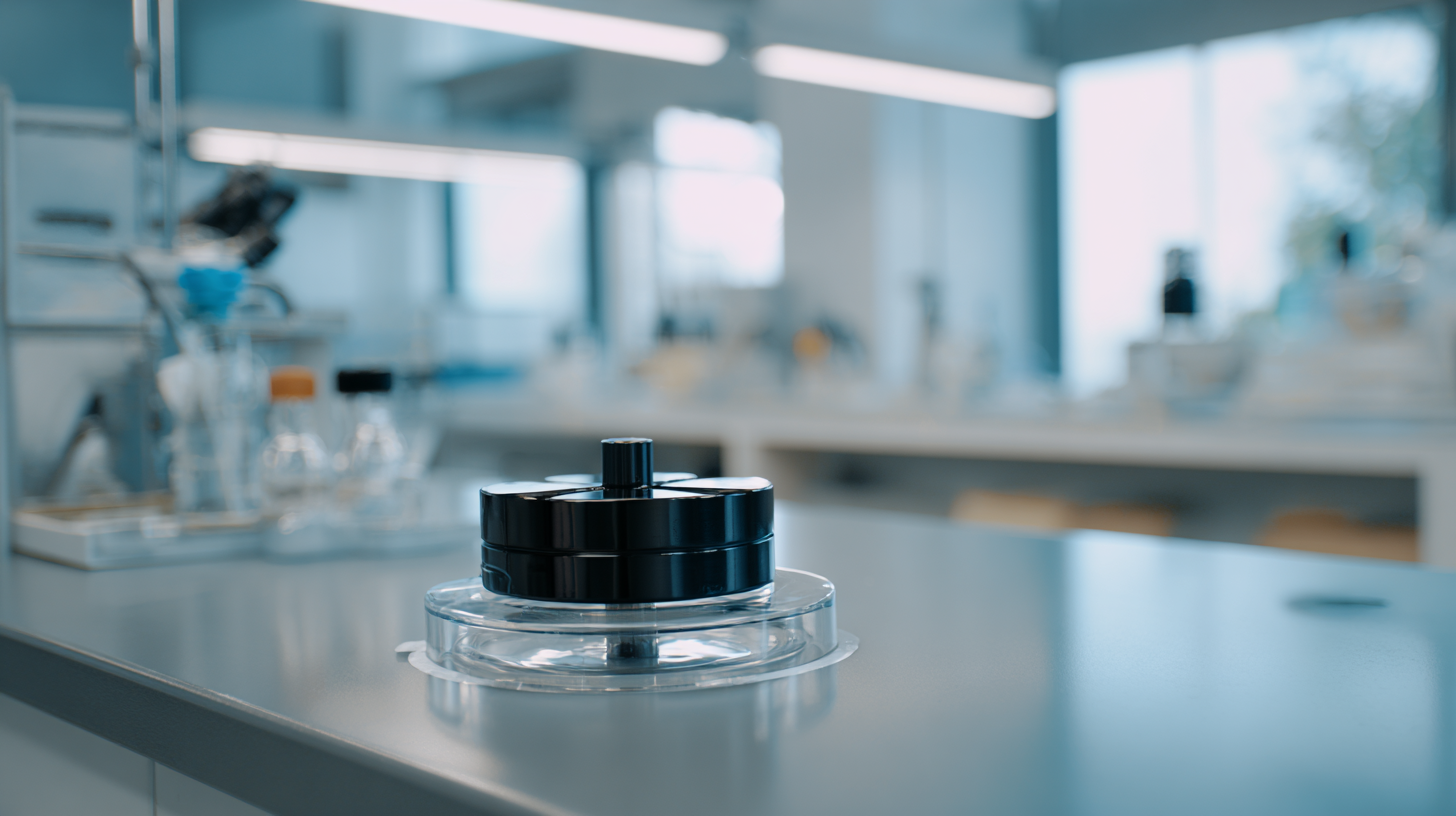
Here at Hangzhou Chiling Technology Co., LTD, founded back in 2014, we totally get how crucial reliable lab tools are. With over ten years of continuous innovation and experience, we’ve been dedicated to making high-quality PTFE magnetic stirrer bars. Our extensive background in development, manufacturing, and exporting means our products are built to meet strict standards—so you're getting real value for your money. Choosing quality over just the lowest price can really make a difference, helping your lab run smoother and get more precise results. All in all, it’s about supporting your research goals with dependable tools that keep you confident and efficient.
Tips for Maintenance and Care to Maximize the Lifespan of Your Stirrer Bar
When you're working in the lab, picking the right PTFE magnetic stirrer bar is super important if you want those results to come out just right. But honestly, just choosing the right one isn’t enough—it's equally important to keep it well-maintained. From what I’ve read, taking good care of your stirrer bar can really boost how long it lasts and how smoothly it performs. Some studies even suggest that with regular maintenance, you might extend its lifespan by up to 30%. Pretty impressive, right?
So, to make sure your stirrer bar stays in top shape, here are a few simple tips. First off, don’t forget to clean it thoroughly after each use using a proper solvent—this helps prevent any chemical residues that can cause corrosion down the line. Also, avoid pushing it to its maximum load all the time; overloading can put stress on the magnet and actually reduce its efficiency over time. And, finally, store your stirrer bars in a dry, temperature-controlled spot—this helps prevent warping and keeps the PTFE material in good shape.
At Hangzhou Chiling Technology Co., LTD, we’re all about high-quality lab gear, including magnetic stirrer bars. With over ten years of experience, we really get how critical reliable equipment is for your experiments. Follow these simple maintenance tips, and your stirrer bar should stay working great for the long haul—meaning you can stay focused on what really counts, your research and discoveries.
Maximize Your Lab's Efficiency with Custom PTFE Beakers: High-Temperature Corrosion Protection Solutions
In the world of laboratory work, efficiency and durability are paramount. Custom PTFE beakers stand out as an essential tool, particularly for environments that require high-temperature and corrosion-resistant solutions. With a working temperature of up to 110℃, these beakers are engineered to withstand the rigors of various experiments without compromising safety or performance. This makes them invaluable for laboratories conducting high-heat reactions or processes.
Furthermore, PTFE, commonly referred to as the "plastic king," offers remarkable mechanical toughness even under extreme conditions. Remarkably, these beakers can maintain a 5% elongation resilience at temperatures plunging to -196℃, showcasing their versatility in both high and low-temperature applications. Such resilience ensures that researchers can rely on PTFE beakers for a diverse range of experiments, enhancing their ability to conduct precise and accurate research.
In addition to their temperature resilience, PTFE beakers boast an extended service life compared to traditional plastics. This longevity not only reduces the frequency of replacements but also contributes to cost savings for laboratories, allowing scientists to focus more on their research rather than the durability of their equipment. Investing in custom PTFE beakers is a strategic step toward maximizing laboratory efficiency while ensuring safety and reliability in every experiment.
FAQS
: When choosing a PTFE magnetic stirrer bar, ensure that its dimensions match the volume of your flask or beaker for efficient mixing. A longer bar provides better stability in larger vessels, and the shape (cylindrical, oval, or egg-shaped) can also influence mixing capabilities.
Chemical compatibility is crucial as PTFE is known for its chemical resistance, but not all PTFE stirrer bars are created equal. It is essential to confirm that the stirrer bar is suitable for the specific reagents you will be using to prevent any adverse reactions.
Look for a PTFE stirrer bar with a smooth surface finish and robust construction. These features enhance longevity, ease of cleaning, and maintain sterility in sensitive applications.
The magnetic strength of the stirrer bar is vital for effective stirring, particularly with viscous solutions or larger volumes. Ensure that the magnet's strength meets your specific stirring needs for optimal performance.
While lower-priced options may seem attractive, they often compromise on durability and efficiency. Investing in high-quality stirrer bars can lead to better performance and fewer issues in experiments.
It's advisable to conduct preliminary tests with small quantities of your chemicals to identify any potential adverse reactions before full-scale use of the PTFE stirrer bar.
Balancing price and quality is necessary since lower-cost stirrer bars might not perform well in demanding laboratory settings. High-quality stirrer bars can enhance laboratory productivity and ensure precise results.
Verify that the size and shape of the PTFE stirrer bar align with your stirrer and container dimensions to avoid inadequate mixing and potential damage to equipment.
Selecting a reputable manufacturer ensures that the stirrer bars meet rigorous standards of quality and reliability, which can enhance laboratory performance and lead to successful research outcomes.
Conclusion
When you're on the hunt for the right PTFE magnetic stirrer bar for your lab, it helps to get a good grasp of what these tools are all about. Basically, PTFE magnetic stirrer bars are built for smooth, efficient mixing, and they’re super resistant to many types of chemicals—making them pretty versatile for all sorts of lab tasks. A few things you wanna keep in mind are whether the size and shape of the stirrer bar fit well with your existing equipment, and of course, whether it can handle the chemicals you’re working with. Picking the right size makes a big difference in how well it stirs.
Oh, and don’t forget about finding a good balance between price and quality. You want something durable that won’t break the bank, right? Also, taking a bit of time to clean and care for your stirrer bar will definitely pay off, helping it last longer and keeping your results consistent. By the way, Hangzhou Chiling Technology Co., Ltd. has been in the game for over ten years, so they really know how to make high-quality lab instruments that match what you need.