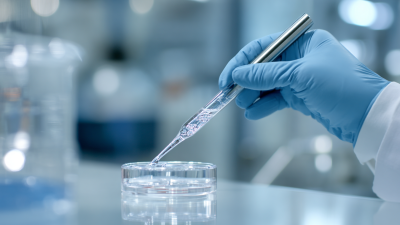
So, the 2026 Canton Fair is really gearing up to showcase some pretty exciting new products, including this cool gadget called the Ptfe Stir Bars Retriever. It’s been catching a lot of eyes in the Lab Equipment world. Dr. Emily Chen from LabTech Innovations even commented that the device could really make things quicker and smoother when it comes to mixing in the lab—like a real game-changer.
During the first part of the fair, from April 15 to April 19, companies will be showing off their latest toys and tech. The focus on innovative manufacturing and new materials makes this such a great spot for the Ptfe Stir Bars Retriever to shine. But, of course, there are some questions too—like, will it really work well with the systems labs already have? Integration is always a bit tricky, and folks are a bit cautious.
Even with all the upsides, there’s a fair share of hurdles—adjusting to new tech isn’t always straightforward. The AI features that are now being used to help attendees find the right suppliers, including those offering the Ptfe Stir Bars Retriever, could really make browsing easier. But, it’s still super important to double-check who’s really qualified, so you don’t end up with a dud.
All in all, it’s gonna be interesting to see how everyone reacts—faces lighting up as people hunt for smarter solutions in a rapidly changing industry. There's definitely a buzz in the air about embracing these new, cutting-edge tools!
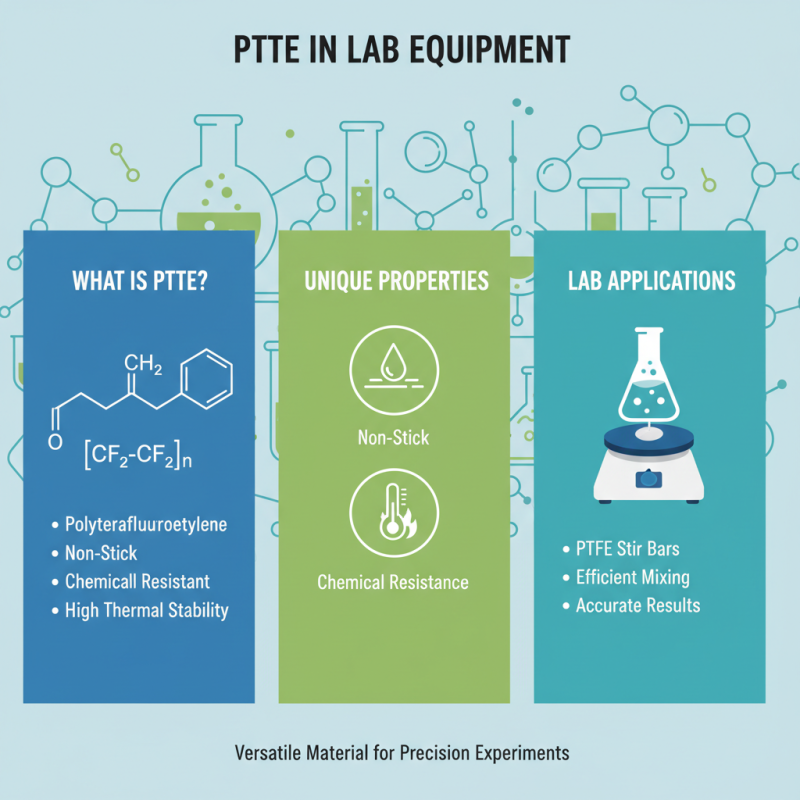
PTFE, or polytetrafluoroethylene, is a versatile material widely used in lab equipment. Its unique properties make it ideal for various applications. PTFE is non-stick, chemically resistant, and has a high thermal stability. Labs often use PTFE stir bars for mixing solutions effectively. These stir bars help in creating a uniform mixture, essential for accurate experiment results.
In addition to stir bars, PTFE is also found in tubing, seals, and gaskets. These components withstand harsh chemicals without degrading. However, PTFE isn't flawless. It can be difficult to bond with other materials, which may limit its application in some settings. This can lead to issues during assembly or in specialized equipment.
Moreover, the environmental impact of PTFE production is a concern. The manufacturing process can generate harmful byproducts. This raises questions about sustainability in lab practices. Researchers must be cautious when choosing materials for experiments. Balancing functionality and environmental responsibility is crucial in modern laboratories.
Stir bars play a crucial role in various mixing applications. They are often used in laboratories, especially in chemical and biotechnology fields. Stir bars help create uniform mixtures, ensuring that components blend properly. This consistency is vital for accurate results in experiments and processes.
Made from materials like PTFE, stir bars offer unique benefits. They resist chemical reactions, which is essential for sensitive substances. The smooth surface minimizes friction, allowing for efficient mixing. However, improper handling can lead to issues. For instance, stir bars may become entangled or fail to stir if not positioned correctly. This can disrupt experiments and lead to unwanted outcomes.
In mixing, the size and shape of stir bars have significant impacts. Longer stir bars may reach deeper containers, but they could also impede the mixing in narrower vessels. Balancing these factors requires experience and careful consideration. Ultimately, while stir bars are indispensable, understanding their limitations is equally important.
Stir bars retrievers are essential tools in laboratories, particularly for those using magnetic stirrers. Their primary purpose is to safely retrieve stir bars from various containers without contaminating samples. The design usually features a long handle, allowing users to reach into deep beakers or flasks. This minimizes the risk of spills and sample loss.
Recent industry reports indicate that the demand for these tools is on the rise. They are especially crucial in fields like chemistry and pharmaceuticals, where sterility is paramount. According to a 2022 market analysis, the stir bar retriever segment is expected to grow by 8% annually. Many professionals appreciate the simplicity yet necessity of these devices. However, some users find that they can be cumbersome to maneuver in smaller vessels.
Moreover, material selection matters. PTFE-coated retrievers are popular due to their chemical resistance. Yet, some researchers note that PTFE can wear down over time. This could affect performance and lead to potential mishaps. Balancing durability with functional design remains a challenge for manufacturers, prompting ongoing discussions within the community. Efficiency should not come at the cost of precision.
PTFE plays a crucial role in the design of stir bars retrievers. Known for its non-stick properties, PTFE ensures smooth operation. This feature is particularly beneficial in laboratories. Users find it easier to retrieve stir bars from containers. The material also withstands different chemicals without degrading.
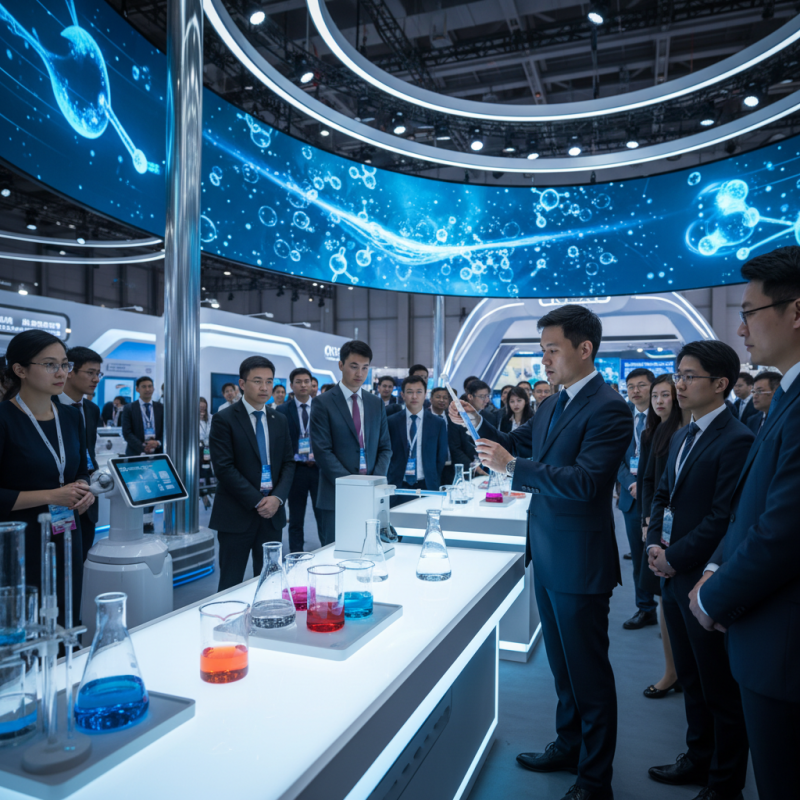
At the 2026 Canton Fair, visitors can see the latest advancements in China Ptfe Stir Bars Retriever designs. These devices demonstrate versatility. They can work with various volumes and types of solutions. Despite their advantages, some users have noticed durability issues over time. It’s vital to consider this during purchasing decisions.
Another important feature is heat resistance. PTFE can handle high temperatures often encountered in experiments. However, the design might not be fully optimized for all lab conditions. Users sometimes report issues under extreme scenarios. This prompts thought on future improvements and design modifications. Balancing performance with reliability is essential for the next iterations of stir bars retrievers.
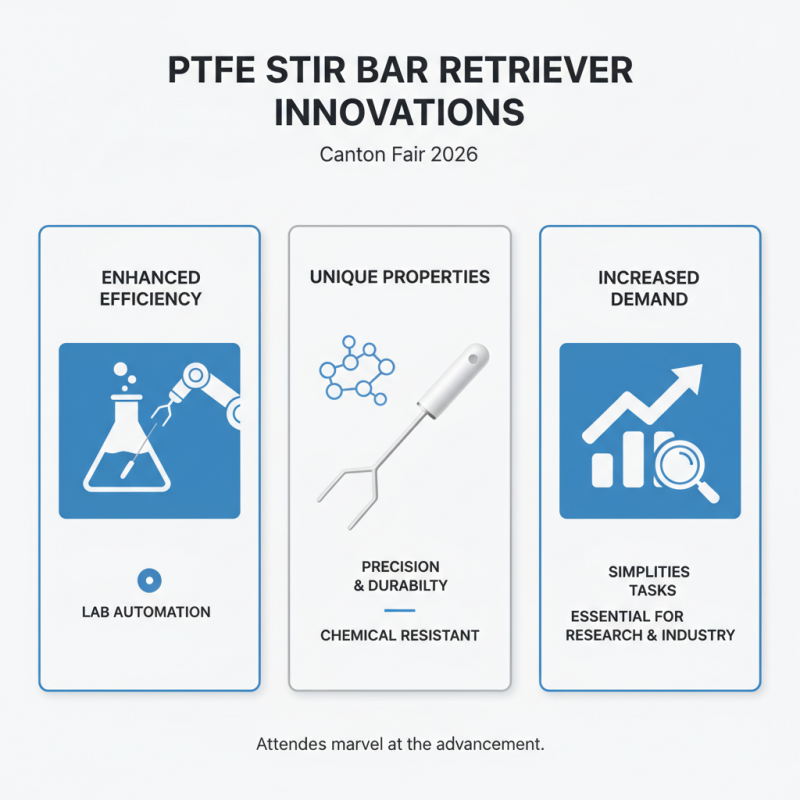
At the 2026 Canton Fair, innovations in PTFE stir bars retrievers have captured significant attention. These tools have been designed to enhance efficiency in laboratories. Their unique properties stand out, making them essential for various applications. The increase in demand for precision and durability is notable. Attendees marvel at how these retrievers simplify complex tasks.
However, not all features have received universal praise. Some users report challenges in handling larger samples. The material's slick nature sometimes complicates manual retrieval. This raises questions about optimal design and usability. Are current models truly meeting the needs of all users? These reflections provide insight into potential areas for improvement.
Moreover, discussions around Wholesale Ptfe Stir Bars Retriever manufacturing practices are promising. Several exhibitors highlighted sustainable production methods. The impacts on cost, performance, and environmental responsibility are worth examining. As innovations unfold, the industry will likely see shifts towards greener alternatives, yet challenges remain. Engaging conversations at the Fair will drive future advancements and address existing concerns.
PTFE stir bars are widely used in laboratories for mixing solutions. They are known for their high chemical resistance and excellent durability. Compared to other materials, PTFE offers unique benefits. It can withstand a wide range of temperatures and harsh chemicals without degrading. This makes PTFE stir bars a reliable choice for diverse experiments.
However, it’s essential to consider the limitations. While PTFE provides durability, it may not offer the best performance in every scenario. For instance, some scientists prefer glass or magnetic stir bars for specific tasks. Each material has its pros and cons. Understanding these differences can help in choosing the right tool for specific experiments.
**Tips:** When selecting stir bars, consider the type of solution. For acidic solutions, PTFE is ideal. But for neutral solutions, other materials might suffice. Always explore multiple options before settling on a final choice. Connect with a reputable Ptfe Stir Bars Retriever Supplier for advice on the best tools for your needs.
| Material | Chemical Resistance | Temperature Range (°C) | Magnet Retention | Cost |
|---|---|---|---|---|
| PTFE | Excellent | -200 to 260 | High | $$$ |
| Glass | Moderate | -20 to 300 | Low | $$ |
| Polypropylene | Good | 0 to 80 | Moderate | $ |
| Stainless Steel | Fair | -50 to 500 | Very High | $$$ |
| Ceramic | Excellent | -200 to 1200 | Low | $$$ |
The 2026 Canton Fair will showcase the latest innovations in stir bar technologies, including the PTFE stir bars retriever. Industry experts predict a significant shift towards enhanced material performance. According to a recent industry report, the global stir bar market is expected to grow by 8% annually over the next five years. This growth is driven by demand for durability and chemical resistance in various laboratory applications.
At trade fairs, manufacturers must keep pace with changing technologies. Attention to design and functionality is crucial. Manufacturers are exploring ways to improve the efficiency of PTFE stir bars. Some focus on reducing friction while enhancing stirring efficacy. This reflects a growing commitment to sustainability. However, not all innovations meet user needs effectively. There are ongoing debates about the suitability of certain materials in specific environments.
The PTFE stir bars retriever is a prime example of this evolution. Its design aims to simplify sample retrieval, yet some users still encounter challenges. Feedback suggests a desire for more versatile features. A focus on ergonomic design may address this issue. Ptfe Stir Bars Retriever Manufacturers will need to adapt to these changing demands to remain competitive in the market.
: Stir bars are essential for creating uniform mixtures in laboratories. They ensure proper blending of components.
Stir bars are often made from PTFE, known for its resistance to chemical reactions. This is crucial for sensitive substances.
The size and shape of stir bars influence mixing efficiency. Longer bars may not work well in narrow containers.
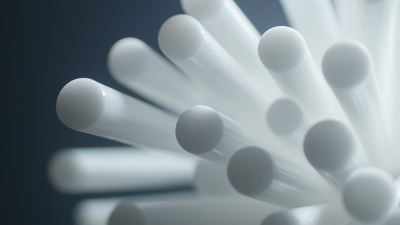
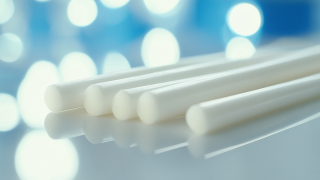
PTFE stir bars provide non-stick properties, allowing for smooth operation and easy retrieval from containers.
Improper handling can lead to entanglement or ineffective stirring. This can disrupt experiments and yield poor results.
Yes, PTFE stir bars can handle high temperatures, but their performance may vary under extreme lab conditions.
Proper positioning is critical. Misplaced stir bars can fail to stir properly, leading to inconsistent mixtures.
Users should consider the durability and reliability of stir bars. Some may experience wear over time, impacting performance.
Future designs should balance performance and reliability, especially under varying lab conditions. This requires thoughtful consideration.
Knowing stir bars' limitations helps prevent disruptions in experiments. This awareness is crucial for accurate results.
The article discusses the significance of PTFE (Polytetrafluoroethylene) in laboratory equipment, particularly focusing on the role of PTFE stir bars retrievers. It highlights the function and importance of stir bars in the mixing process, as well as the design and purpose of stir bar retrievers. The benefits of using PTFE in these retrievers are detailed, showcasing how its properties enhance performance and durability compared to other materials.
Additionally, the article outlines innovations in PTFE stir bar retrievers that will be showcased at the 2026 Canton Fair, providing insight into future trends and developments in stir bar technologies. By comparing PTFE stir bars with other materials, the article emphasizes the advantages of PTFE, positioning it as a preferred choice in laboratory settings and encouraging ongoing advancements in this field.