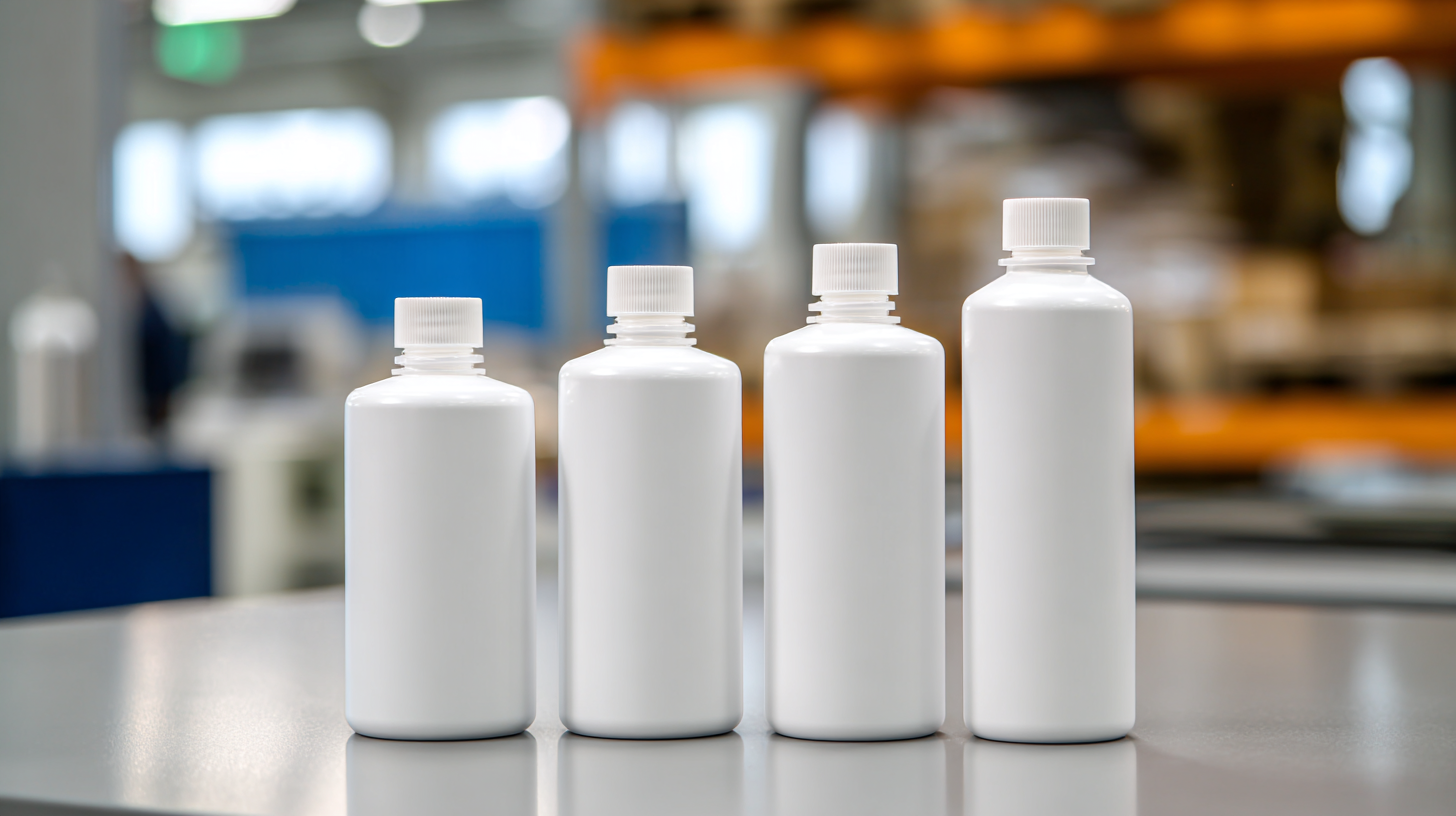
When it comes to lab instruments, the Ptfe Bottle really stands out as a pretty amazing innovation. It’s designed to meet the needs of researchers and scientists with its unique features. Being a top manufacturer in this space,Hangzhou Chiling Technology Co., LTDhas been leading the way in developing high-quality Lab Equipment since we started back in2014. With over ten years of experience in making and exporting these products, we really know what makes a PTFE bottle top-notch.
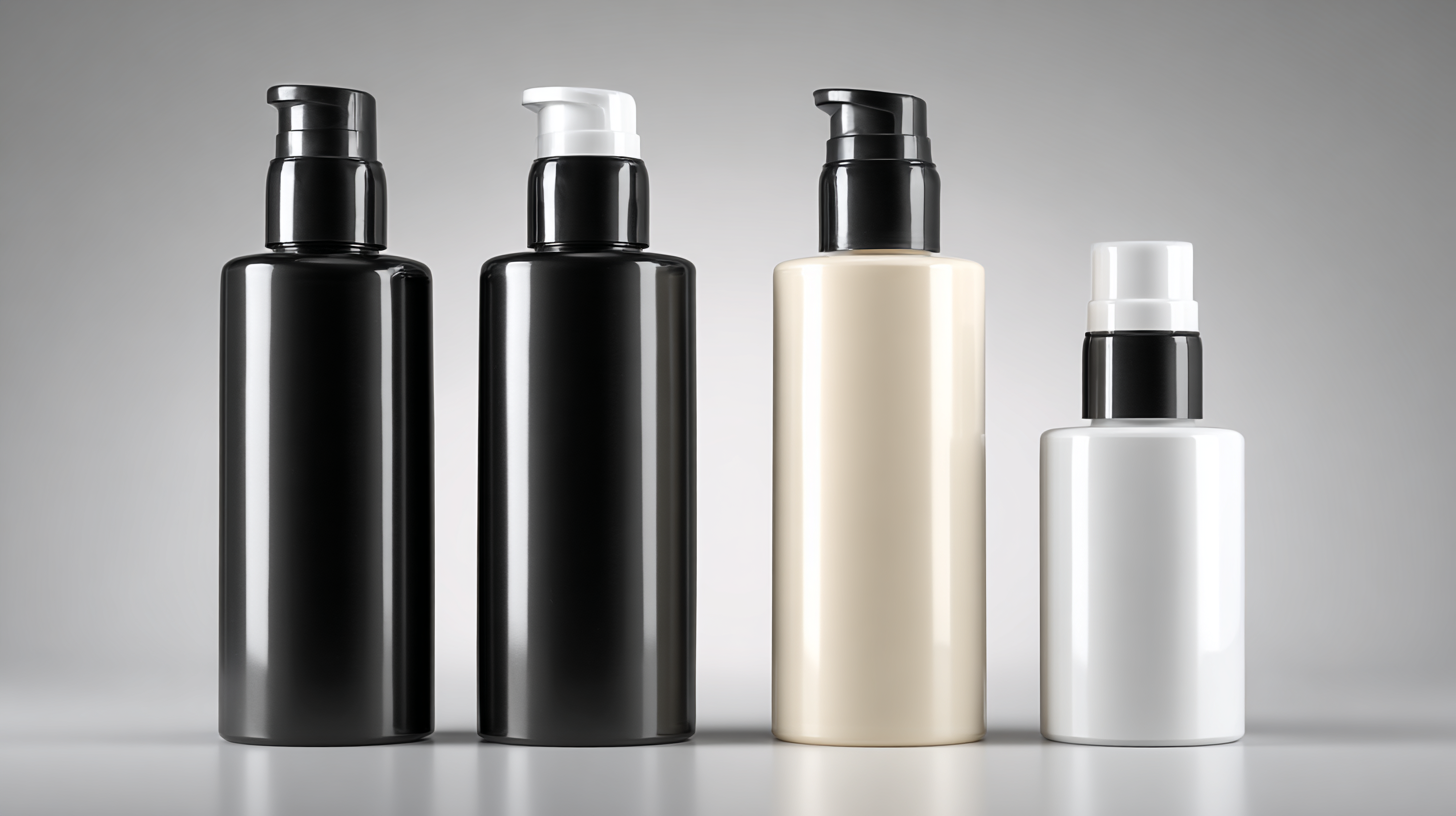
This blog is meant to give you a straightforward overview of those key specs, helping you understand what to look for when choosing the right PTFE bottle. We’ll go over the main features and benefits of our bottles, highlighting how they can boost lab efficiency and safety. We hope this info makes it easier for you to see just how important these bottles are in everyday lab work.
The Importance of PTFE in Modern Manufacturing and Its Unique Properties
PTFE, also known as polytetrafluoroethylene, has really become a go-to material in today’s manufacturing world. Its unique properties help boost product quality and make production run smoother. As companies push for more innovation and sustainability, having materials that can handle tough conditions while staying reliable has never been more important. PTFE ticks all those boxes with its excellent resistance to chemicals, non-stick features, and ability to handle high temperatures. That’s why it’s widely used in sectors like aerospace, automotive, and chemical processing — pretty much everywhere you need high performance.
When you're choosing Ptfe Bottles, pay attention to how they’re designed and what they’re meant for. A shape that makes it easy to dispense and clean is a must, especially to keep things hygienic in manufacturing setups. Also, it’s smart to pick bottles that meet industry safety standards and are compatible with your specific needs.
And don't forget to keep an eye on the latest in PTFE tech. Attending workshops or industry seminars now and then can really give you a leg up — they’re packed with fresh insights and new ideas really highlighting what PTFE can do. Working with manufacturers who are all about innovation can help you unlock the full potential of this amazing material, making your operations more efficient and productive all around.
Unveiling the Specifications of the Best PTFE Bottle
This chart illustrates the unique properties of PTFE bottles compared to other material bottles in modern manufacturing.
Key Technical Specifications of the Top PTFE Bottles on the Market
Choosing the right PTFE bottle isn’t just about picking something that looks good on paper. You really want to get a feel for the key specs—trust me, it makes all the difference. The top-tier PTFE bottles are celebrated for their non-stick finish, their ability to handle high heat, and how stable they are chemically. These features make them perfect for a bunch of uses, whether you're working in a lab or just storing food at home. Usually, the best bottles can handle temperatures from -200°C up to 260°C, so you don’t have to worry about them melting or cracking under extreme conditions.
When you're trying to pick the right one, a couple things are worth paying attention to. First off, look at the connector type and cap design. You want a cap that seals tightly—nothing worse than leaks or contamination—so go for something that's secure and leak-proof. It’s also handy if the bottle comes in different sizes, from about 100ml all the way to 1 liter; that way, you can pick what suits your needs best. Oh, and if the bottle has measurement marks, that’s a sweet bonus—it makes measuring stuff way easier.
Don’t forget about the purity level of the PTFE material itself. High-quality bottles usually have over 99% purity, which means they won’t leach any nasty substances into whatever you're storing. And if you’re using these for food, check if they’re certified, like FDA approval or something similar—that’s always a good idea to play it safe.
Comparative Analysis: PTFE Bottles vs. Traditional Materials
When you start comparing PTFE bottles to the traditional materials we've used for ages, the benefits of PTFE really begin to stand out. So, what is PTFE? It’s polytetrafluoroethylene, but most folks just call it PTFE. It's famed for resisting chemicals like a champ, handling heat really well, and it’s super smooth—meaning low friction. That makes it a fantastic pick if you're storing stuff that reacts easily or could be dangerous in other plastics. Unlike the usual plastics, which can sometimes leak hazardous chemicals—including microplastics and additives—PTFE keeps things much safer. Recently, some studies have shown that standard plastics can actually transfer harmful compounds, especially when heated, which isn’t great if you’re using them for food prep or anything edible.
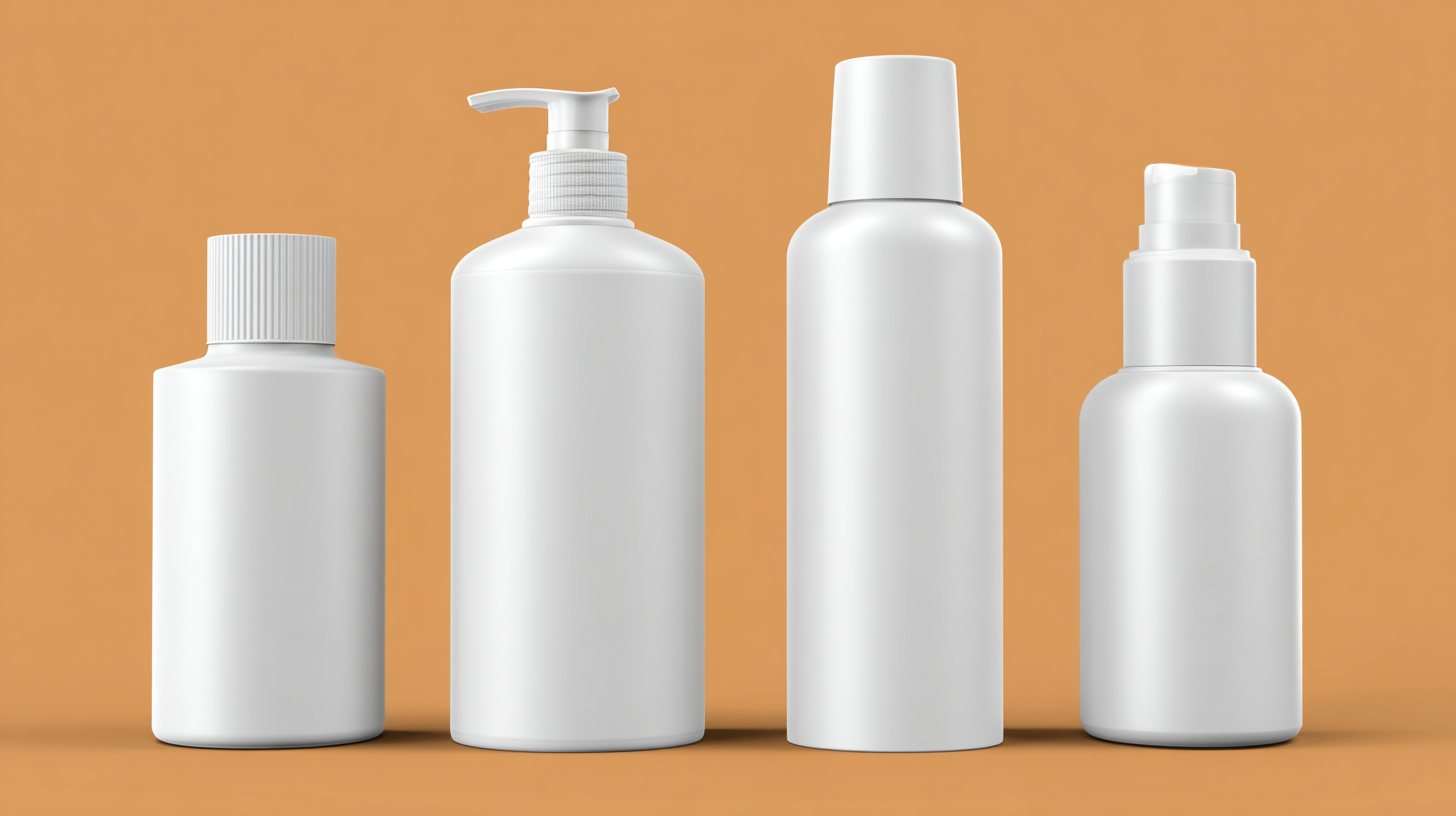
A quick tip: To keep your PTFE bottles safe and last longer, make sure you clean them properly and try not to expose them to extreme heat. If you’re using PTFE for food, it’s a good idea to double-check that the grade is food-safe and free from any contaminants.
Plus, research has shown that PTFE doesn’t really hang onto certain chemicals like PFAS—the stuff that’s often found in traditional containers. On the flip side, materials like HDPE and polypropylene can actually release PFAS during storage, which raises some health red flags. Switching to PTFE could really cut down on those risks and help ensure your stored items stay pure.
Pro tip: Always check safety data sheets when you're choosing storage materials—especially if you're dealing with sensitive or hazardous stuff. If you’re thinking about going with PTFE, doing a bit of homework on product specs can help you pick the best option for your needs.
Understanding the Role of PTFE in Chemical Resistance and Durability
So, when we talk about polytetrafluoroethylene—often called PTFE—it's basically this synthetic fluoropolymer that's famous for being super resistant to chemicals and pretty tough overall. It’s a pretty big deal when it comes to making high-quality bottles, especially for labs or industrial stuff. What’s awesome about PTFE is that it’s non-stick, much like your frying pan, but more importantly, it can handle all sorts of harsh, corrosive chemicals without breaking down or leaching nasty stuff. That means whatever you store inside stays safe and pure over time.
On top of that, PTFE can handle a pretty wide range of temperatures without losing its cool. So, whether it’s exposed to freezing cold or blazing heat, it still performs like a champ—something other materials just can’t really do. Plus, these bottles aren’t just resistant to chemicals; they’re also really durable, resisting wear and tear easily. Basically, they’re a solid investment whether you’re in a busy lab or industrial setting. Going with PTFE bottles means you're getting a reliable, safe, and efficient storage option—perfect for handling all kinds of chemicals and extreme conditions without a fuss.
Manufacturing Processes: How Chinese Production Standards Ensure Quality
When it comes to making PTFE bottles in China, the whole process really sticks to strict standards — no cutting corners here, which means you get quality and reliable performance. I recently read a report from ResearchAndMarkets that says the global PTFE market is actually expected to grow pretty steadily — about 5.2% CAGR from 2021 to 2026 — mainly because manufacturing tech keeps getting better. Chinese manufacturers have poured a lot into building cutting-edge factories equipped with automation, which helps them keep things precise and consistent. That focus on standardization isn’t just about making good bottles; it also helps them meet international safety and environmental rules, which is a big plus.
Quick tip—if you're shopping around for a PTFE bottle, it’s worth checking if the manufacturer has certifications like ISO 9001 or similar. That usually shows they’re serious about maintaining top-notch quality throughout their process.
And I should mention—the use of advanced testing techniques plays a key role, too. Methods like Fourier-transform infrared spectroscopy (FTIR) and differential scanning calorimetry (DSC) are pretty common now for analyzing the materials’ composition and how they handle heat. These tests make sure the products meet all the specs and perform well, which means safer, more dependable bottles for folks like us.
Another tip — always ask about their testing procedures. Manufacturers who are transparent about their quality control often produce more reliable products in the end.
Market Trends: The Growing Demand for PTFE Products in Global Industries
You know, it’s pretty interesting how the demand for PTFE (that’s Polytetrafluoroethylene for you) products has been on the rise worldwide. It really shows just how versatile and durable this material is. If you look at the numbers, the market for PTFE tapes and films is expected to hit around USD 1.21 billion by 2030. That’s huge, and it’s not just one industry — it’s used everywhere, from heavy industrial processes to everyday consumer goods. What’s driving this surge? Well, it’s mainly PTFE’s incredible chemical resistance and its non-stick qualities, which make it a go-to for a ton of manufacturing applications.
On top of that, the PTFE coating market is also expected to grow from about USD 3.99 billion in 2025 to a solid USD 6.29 billion by 2034. That’s a pretty big jump and really shows just how much industries - like automotive, healthcare, and more - are trusting this material to boost product performance and extend lifespan.
If you’re thinking about adding PTFE products to your supply chain, it’s a good idea to keep an eye on how the market’s shaping up. Knowing who the key players are and understanding how PTFE can be applied in your business could really give you an edge. Plus, it’s worth making sure your supplier is experienced and up-to-date on innovative solutions, especially if they’re also good at making high-quality lab instruments — that can really make a difference in how well your production runs.
Revolutionizing Laboratory Mixing: Insights from Recent Industry Reports on PTFE Coated Stir Bars with Pivot Rings
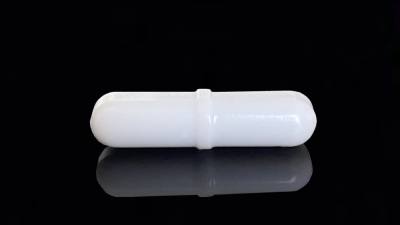
The laboratory industry is witnessing a significant transformation in mixing technologies, particularly with the introduction of PTFE-coated stir bars featuring pivot rings. These innovative tools are not only enhancing mixing efficiency but also extending the operational capabilities of laboratory equipment. Recent industry reports indicate that the integration of PTFE in stir bars allows for high-temperature operations up to 110℃, facilitating a broad range of chemical reactions that were previously restricted to specific mixing tools.
Furthermore, the mechanical properties of PTFE stir bars offer exceptional resilience, maintaining 5% elongation even at temperatures plunging to -196℃. This flexibility is crucial for laboratories working with a variety of substances across diverse temperature ranges. The robust nature of PTFE, often referred to as the "plastic king," stems from its high molecular weight and stability, making it a reliable option for sustained use in rigorous laboratory environments.
The longevity of PTFE-coated stir bars also sets them apart from traditional plastic alternatives. Reports suggest that these stir bars can last significantly longer, reducing the frequency of replacements. This durability not only translates to cost savings for laboratories but also ensures continuous lab operations without the frequent interruptions associated with tool maintenance. As the industry continues to evolve, the adoption of such advanced stirring technologies is likely to become the standard, revolutionizing the way mixing is performed in scientific research and development.
FAQS
: PTFE, or polytetrafluoroethylene, offers excellent chemical resistance, high thermal stability, and low friction properties, making it ideal for safely storing reactive substances unlike traditional plastics that can release harmful compounds.
Yes, PTFE bottles can be safe for food-related applications as long as the specific grade of PTFE is verified to be food-safe and free from contaminants.
Traditional plastic containers, particularly when heated, can release hazardous microplastics and additives, posing health risks during food preparation.
Chinese manufacturers adhere to stringent production standards and utilize advanced automated technologies that maintain precision and consistency, meeting international safety and environmental regulations.
When selecting PTFE bottles, consider manufacturers that comply with ISO 9001 or equivalent certifications, which indicate a commitment to high-quality standards.
Techniques such as Fourier-transform infrared spectroscopy (FTIR) and differential scanning calorimetry (DSC) are used to analyze the composition and thermal properties of PTFE, ensuring they meet specifications.
The demand for PTFE products is increasing across various industries, with projections for the PTFE tapes and films market to reach USD 1.21 billion by 2030, driven by its versatility and durability.
Industries such as automotive and healthcare are increasingly using PTFE products for their chemical resistance and non-stick properties, enhancing product performance and longevity.
Staying informed about market developments and choosing experienced suppliers of high-quality PTFE products can provide businesses with a strategic advantage in manufacturing and product innovation.
Always consult safety data sheets to ensure materials meet necessary safety standards, and verify the testing protocols of manufacturers to assess product reliability.