



Evaluating the Durability and Chemical Inertness of PTFE Beakers vs. Glassware
Over my years overseeing laboratory operations and material procurement, one recurring debate on the lab floor centers on container selection. Whether handling aggressive acids or executing high-precision trace metal analysis, choosing the right vessel is critical for safety, data integrity, and operational cost. Traditionally, borosilicate glassware has been the default choice. However, advancements in polymer science have thrust fluoropolymers into the spotlight.
In this comprehensive evaluation, I examine the performance metrics of PTFE Beakers versus traditional glassware, offering a practical framework for B2B procurement officers and laboratory directors aiming to optimize their inventory.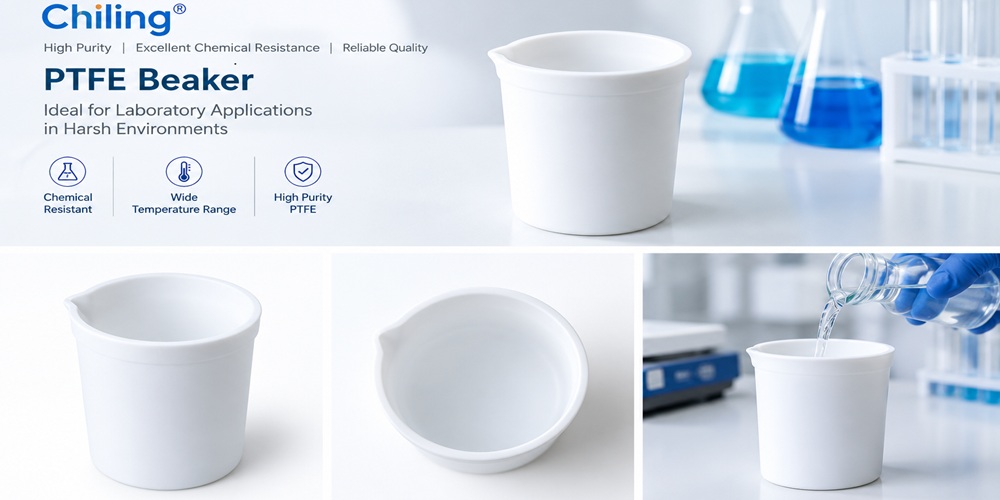
- Chemical Inertness: The Ultimate Test for Laboratory Vessels
When working with aggressive reagents—such as hydrofluoric acid (HF), concentrated sulfuric acid, or aggressive organic solvents—the choice of container can mean the difference between a successful assay and catastrophic failure.
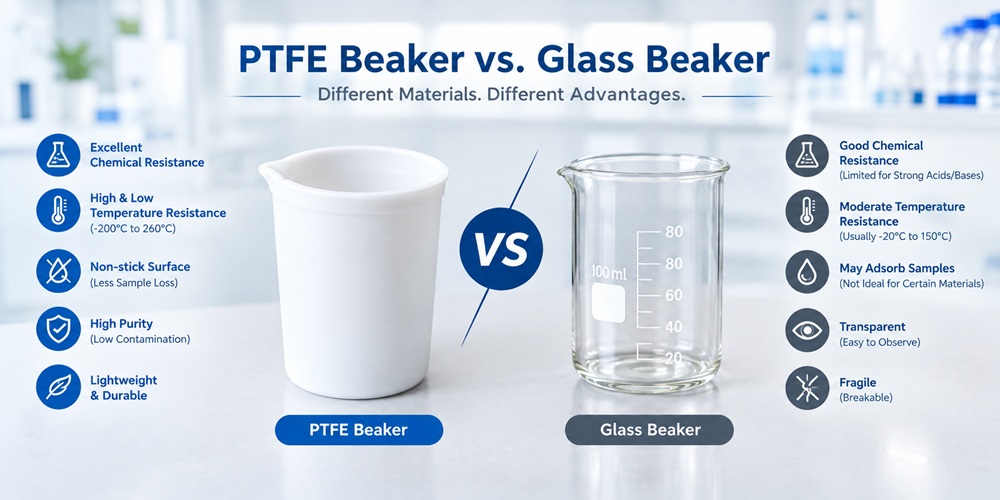
- Glassware Vulnerabilities: While standard borosilicate glass offers excellent resistance to most acids, it is rapidly etched and dissolved by hydrofluoric acid and strongly alkaline solutions at elevated temperatures. Furthermore, trace amounts of boron, sodium, or silicon can leach from glass into sensitive analytical samples, skewing ICP-MS or trace-metal testing results.
-
The PTFE Advantage: Polytetrafluoroethylene is chemically inert to almost all industrial chemicals, solvents, and corrosive reagents. When we analyze PTFE vs Glass Beakers under harsh chemical stress, PTFE exhibits zero leaching of metallic impurities. For semiconductor manufacturing, environmental testing, and pharmaceutical synthesis, deploying Chemical Inert Labware is essential to eliminate cross-contamination risks.
- Mechanical Durability and Lifecycle Economics
Laboratory accidents happen. Dropped glassware instantly shatters, risking personnel safety, halting workflows, and resulting in the loss of expensive reagents.
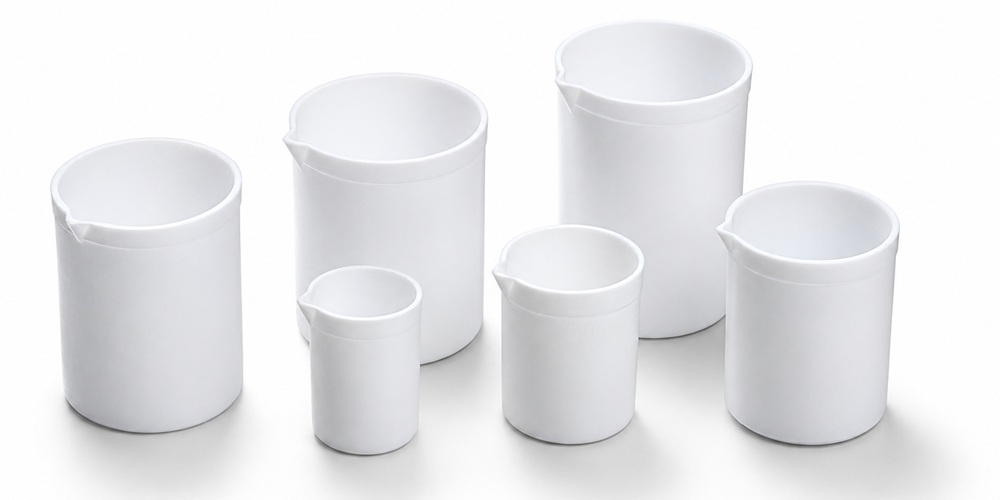
- Resilience on the Bench: Traditional glass requires careful handling, annealing, and storage. In contrast, Durable Laboratory Beakers made from high-purity PTFE are virtually unbreakable. They withstand physical impacts, accidental drops, and rigorous daily use without chipping or cracking.
- Total Cost of Ownership (TCO): Although the initial capital expenditure for PTFE vessels is higher than glass, their long operational lifespan drastically reduces replacement frequency. For high-throughput industrial laboratories, switching to PTFE minimizes downtime and lowers injury-related liabilities, offering a superior long-term ROI.
- Thermal Stability and Practical Usability
Temperature tolerance is another critical vector. Borosilicate glass handles moderate thermal shocks well, but sudden temperature shifts can still cause thermal fracture.
PTFE beakers perform exceptionally well across a broad thermal spectrum—typically up to 260°C (and higher for short-term spikes). This makes them ideal for cryogenic applications as well as high-temperature digestions on hot plates. However, laboratory staff must note one minor trade-off: PTFE is opaque or translucent white, meaning technicians cannot visually monitor solution volume or phase changes from the side as easily as with transparent glass.
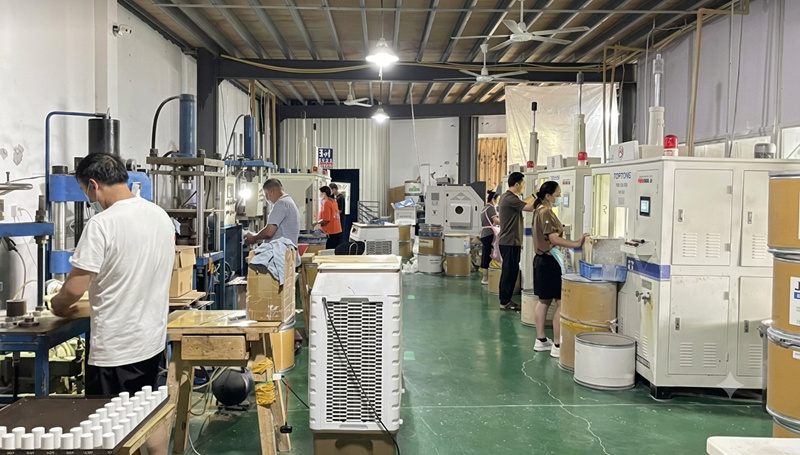
For procurement managers, material quality and supply chain consistency are paramount. By procuring industrial-grade fluoropolymer products straight from the manufacturing source, labs gain:
- Guaranteed virgin resin quality (preventing contamination from recycled polymers).
- Competitive bulk pricing tailored for enterprise-scale procurement.
- Custom sizing options and reliable inventory fulfillment to prevent project delays.
Conclusion
While borosilicate glassware remains a staple for routine academic setups and visual titrations, modern industrial environments demand higher resilience and purity. For organizations handling aggressive chemistries, high-purity assays, or high-turnover workflows, investing in PTFE Beakers is a strategic upgrade. By streamlining your supply chain through manufacturers like Chiling Factory Direct, your laboratory can secure top-tier Chemical Inert Labware that balances safety, longevity, and analytical accuracy.
Frequently Asked Questions (FAQs)
Q1: Can PTFE beakers completely replace glass beakers in every laboratory application?
A: Not entirely. While PTFE excels in chemical inertness, durability, and high-temperature resistance, glass remains preferred for applications requiring optical transparency (such as visual titrations) or when working under strict budget constraints for low-risk, aqueous educational environments.
Q2: How do I properly clean and sterilize PTFE labware to avoid cross-contamination?
A: PTFE has a non-stick, hydrophobic surface that resists residue buildup. They can be easily cleaned using standard mild laboratory detergents, ultrasonic baths, or acid-soaking (such as dilute nitric acid) followed by deionized water rinses. They also withstand standard autoclaving procedures.
Q3: What is the maximum continuous working temperature for standard PTFE beakers?
A: Most high-quality PTFE beakers maintain structural integrity and chemical resistance continuously up to 260°C (500°F), making them highly suitable for aggressive hot-plate digestions.
Q4: Why are PTFE beakers more expensive upfront than glass?
A: The higher cost reflects the raw material expense of high-purity fluoropolymer resins and the specialized, energy-intensive compression molding or sintering manufacturing processes required to shape PTFE without introducing structural voids.
Q5: How does sourcing via Chiling Factory Direct benefit B2B procurement officers?
A: HANGZHOU CHILING TECHNOLOGY CO., LTD., as a manufacturer, ensures strict traceability of raw materials (ensuring no regrind plastics are used), and allows for flexible scaling and custom specifications to meet strict industrial compliance standards.