


The Science of Vortex Creation: Maximizing Dissolution Rates with Cross-Shape PTFE Stir Bars

In modern chemical synthesis, pharmaceutical formulation, and biotechnology research, the efficiency of liquid-liquid and solid-liquid mixing directly dictates reaction kinetics, product purity, and batch consistency. As an experienced Laboratory Magnetic Stir Bar Supplier, we at Chiling have spent years analyzing how subtle geometric adjustments in stir bar architecture fundamentally transform fluid dynamics inside reaction vessels.
Among various geometry configurations, the cross-shape design stands out as a paramount engineering solution for overcoming the physical limitations of traditional cylindrical or oval stir bars. In this technical brief, we explore the fluid mechanics of vortex formation and demonstrate how integrating a high-efficiency cross-shape PTFE magnetic bar accelerates dissolution rates while maintaining rock-solid operational stability.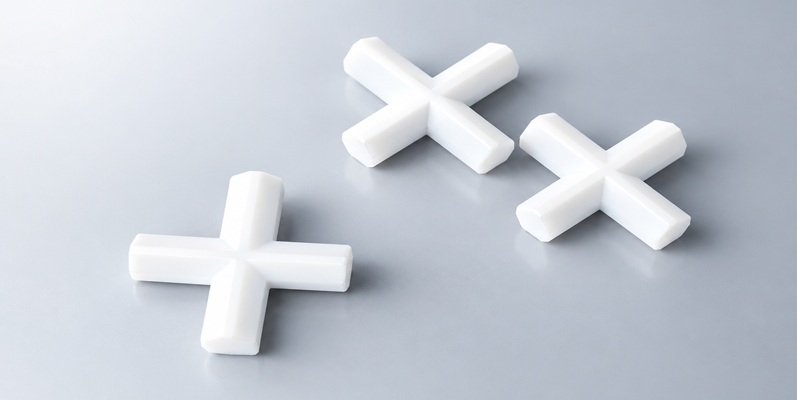
- The Fluid Dynamics of Vortex Creation
A vortex in a stirred vessel is not merely a visual indicator of movement; it is a hydrodynamic engine. When a magnetic stir bar rotates, it imparts centrifugal force to the fluid, driving it outward toward the vessel walls. This creates a pressure gradient that pulls fluid down from the surface into the low-pressure center, creating a continuous vertical recirculation loop.
Standard cylindrical bars generate a primary horizontal flow. However, they frequently struggle to induce sufficient axial (vertical) flow, particularly in viscous media or flat-bottomed vessels. This limitation often leaves unmixed zones at the bottom corners of the container or results in slow dissolution rates for dense powders.
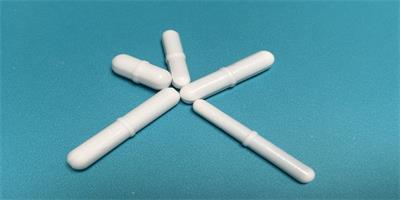
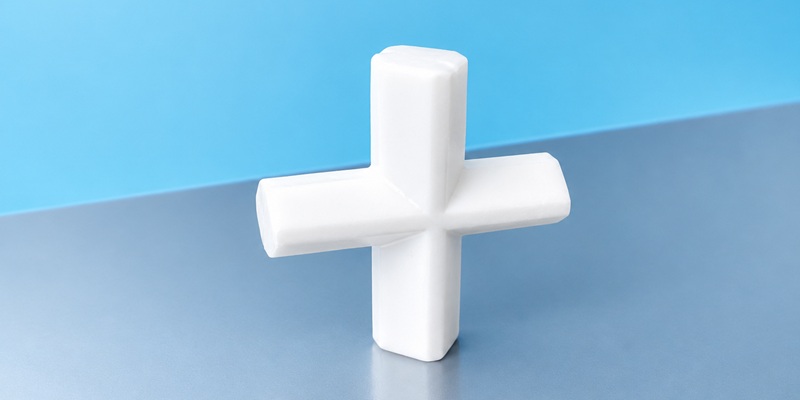
But Vortex Creation PTFE Stir Bar utilizes a four-bladed cross geometry that functions much like an integrated axial-flow impeller. As the four perpendicular fins sweep through the medium, they displace a significantly higher fluid volume per revolution than a single cylindrical rod. This multi-vane action creates a deep, stable central vortex that rapidly draws floating powders and dense solutes down into the high-shear zone, dramatically speeding up mass transfer and dissolution.
- Overcoming Spin-Outs in High-Viscosity and High-Speed Applications
One of the most persistent operational challenges faced by laboratory technicians is "spin-out"—the decoupling of the stir bar from the magnetic drive field of the stirrer hotplate. Spin-out occurs when the hydrodynamic drag on the bar exceeds the magnetic coupling torque, causing the bar to bounce erratically and halt effective agitation.
The cross-shape architecture naturally addresses this issue through balanced hydrodynamic resistance:
- Four-Point Stabilization: The extended arms of the LAB PTFE Magnetic Stirrer Cross Shape create a broader base of engagement with the vessel bottom. This four-point contact distribution minimizes wobbling and axial precession.
-
Controlled Friction & Reduced Wear: By distributing rotational friction across four contact points rather than a central pivot ring or a single continuous line, the cross design stabilizes the bar at elevated rotational speeds (RPM) without causing excessive wear on the PTFE shell.

- Material Integrity: Why Virgin PTFE Matters
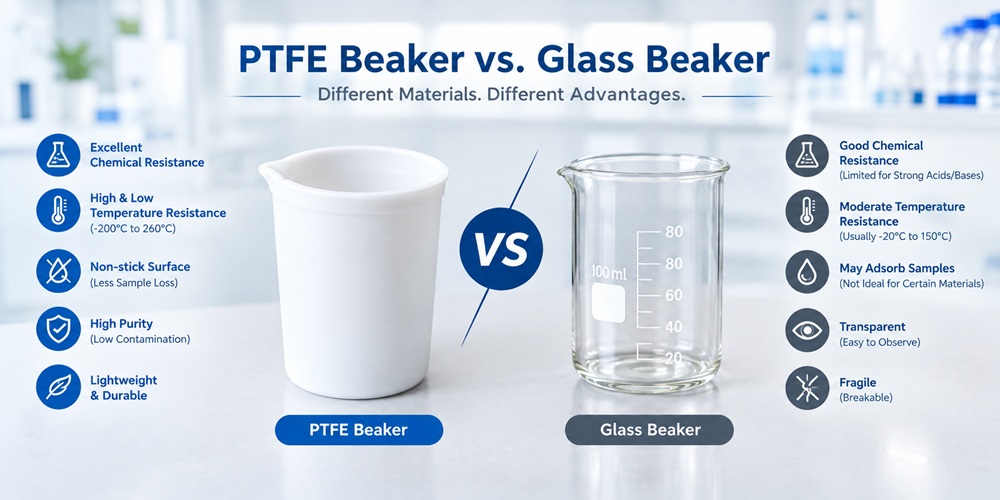
At Chiling, we engineer every High Efficiency PTFE Stir Bar using 100% virgin Polytetrafluoroethylene (PTFE). In demanding laboratory environments, material purity is just as critical as geometric design.
PTFE provides an exceptional combination of chemical inertness and thermal tolerance:
- Universal Chemical Resistance: Resistant to virtually all aggressive solvents, strong acids, and concentrated bases, eliminating the risk of chemical leaching into sensitive analytical samples.
- Broad Temperature Range: Capable of continuous operation from -200°C up to +260°C, but magnet have many different types, normally magnet can continuous operate from -200°C up to +110°C. If you need high-temperature resistant magnets, please inform us before issue order. Making it suitable for both cryogenic reactions and high-temperature reflux processes.
- Zero Contamination Risk: Our smooth, non-porous PTFE encapsulation prevents cross-contamination between batches, facilitates effortless cleaning, and meets stringent pharmaceutical and food-grade compliance standards.
- Empirical Performance: Dissolution Rate Enhancements
Through internal bench testing comparing standard cylindrical bars (50mm) against Cross Shape PTFE Magnetic Bar (50mm) in medium-viscosity glycerol solutions (100–300 cP), observed marked performance enhancements:
- Dissolution Time Reduction: Solid solute incorporation time was reduced by up to 35% due to the immediate pull of the axial vortex.
- Enhanced Top-to-Bottom Circulation: Vertical mixing homogeneity was achieved in less than half the time required by smooth cylindrical bars.
- Elevated Critical Decoupling Speed: The cross-shape bar maintained stable coupling at rotational speeds 20–25% higher than equivalent cylindrical models in viscous media.
For high-throughput R&D laboratories, pilot plants, and industrial processing facilities, these gains translate directly into shortened batch processing times, improved repeatability, and higher overall operational productivity.
Frequently Asked Questions (FAQ)
Q1: What makes a cross-shape PTFE stir bar superior to a traditional cylindrical stir bar?
A: The four-bladed cross design acts like a mini-impeller, generating stronger axial (vertical) flow and a deeper vortex compared to a standard cylinder. This greatly enhances top-to-bottom fluid circulation, accelerates solid dissolution, and provides four-point mechanical stability that prevents decoupling (spin-out) at higher speeds.
Q2: Can cross-shape PTFE magnetic stir bars be used in round-bottom flasks?
A: Cross-shape stir bars are optimized primarily for flat-bottomed vessels, such as standard laboratory beakers, Erlenmeyer flasks, and flat-bottom reactors. For round-bottom flasks, oval or egg-shaped stir bars generally match the vessel contours better, though smaller cross-shape bars can still be used effectively for light agitation.
Q3: Does Chiling offer custom sizing and bulk OEM procurement options for B2B distributors?
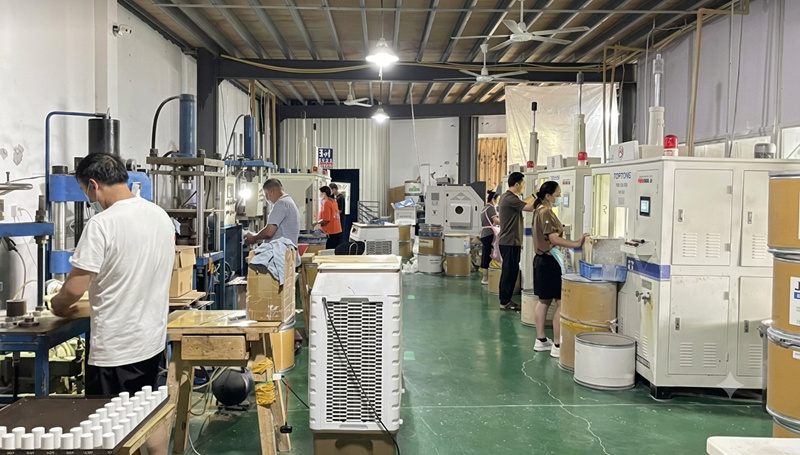
A: Absolutely. As a direct manufacturer and global Laboratory Magnetic Stir Bar Supplier, we offer full OEM/ODM customization, private labeling, custom dimensions, and volume-based pricing for laboratory equipment distributors, chemical suppliers, and industrial procurement partners.